Salt Nonfat Milk
What is Salt Nonfat Milk?
Salt Nonfat Milk is a dairy ingredient made from skim milk. The milk is heated to remove water and fat, leaving behind milk solids, which are then combined with salt. It is used to add flavor and improve texture in food products.
Is Salt Nonfat Milk vegan?
No. Salt Nonfat Milk is animal-derived, so it is not vegan.
Is Salt Nonfat Milk gluten-free?
It does not contain gluten.
Is Salt Nonfat Milk a major allergen?
Salt Nonfat Milk is derived from milk, which is one of the 9 major allergens.
What is Salt Nonfat Milk used for?
Manufacturers add Salt Nonfat Milk to provide a salty flavor and enhance the overall taste profile of foods.
Is Salt Nonfat Milk safe?
Salt Nonfat Milk is generally recognized as safe (GRAS) by the FDA for use in food.
Why it's used
Manufacturers add Salt Nonfat Milk to provide a salty flavor and enhance the overall taste profile of foods. It can also act as a binder and contribute to a desirable texture. It is commonly found in baked goods, snacks, and processed dairy products.
Health notes
Salt Nonfat Milk is generally recognized as safe (GRAS) by the FDA for use in food. It is a source of sodium and calcium. Excessive sodium intake is linked to high blood pressure, and the FDA recommends limiting sodium intake to 2,300 mg per day. JECFA has evaluated milk components and sodium, but no specific ADI is set for this combined ingredient.
Allergen info
Salt Nonfat Milk is derived from milk, which is one of the 9 major allergens. It does not contain gluten.
Foods that contain Salt Nonfat Milk
Compare products →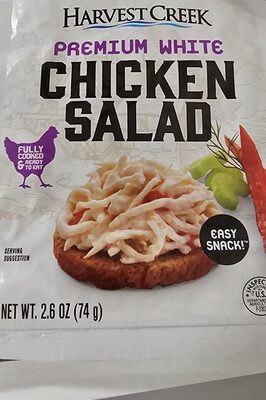
Learn more
Auto-generated content. This description was generated automatically and is pending editorial review. Inaccuracies are possible. Found a mistake? Contact us.