Salt Rennet
What is Salt Rennet?
Salt rennet is an enzyme mixture, often derived from animal stomachs, used to coagulate milk in cheesemaking. It contains chymosin, which causes milk proteins to clump together, forming curds. It is typically produced by isolating rennet from the fourth stomach of young, milk-fed calves.
Is Salt Rennet vegan?
No. Salt Rennet is animal-derived, so it is not vegan.
Is Salt Rennet gluten-free?
It does not contain gluten.
Is Salt Rennet a major allergen?
Salt rennet is derived from animal sources and is not one of the nine major allergens.
What is Salt Rennet used for?
Salt rennet is primarily used as a coagulant in the production of cheese, helping to form the curds that are essential for cheesemaking.
Is Salt Rennet safe?
Salt rennet is generally recognized as safe (GRAS) by the FDA for its intended use in food.
Why it's used
Salt rennet is primarily used as a coagulant in the production of cheese, helping to form the curds that are essential for cheesemaking. It is found in a wide variety of cheeses, including cheddar, mozzarella, and Swiss, as well as in processed cheese products and some sauces.
Health notes
Salt rennet is generally recognized as safe (GRAS) by the FDA for its intended use in food. It is a naturally occurring enzyme and is broken down during digestion. International bodies like JECFA have evaluated enzymes used in food production. There are no widespread health controversies associated with its typical consumption.
Allergen info
Salt rennet is derived from animal sources and is not one of the nine major allergens. It does not contain gluten.
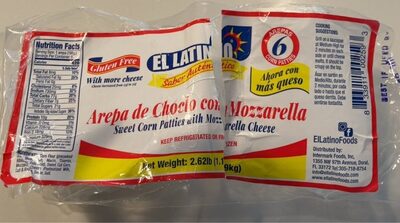
Foods that contain Salt Rennet
Compare products →
Learn more
Auto-generated content. This description was generated automatically and is pending editorial review. Inaccuracies are possible. Found a mistake? Contact us.