Salted Eggs
What is Salted Eggs?
Salted eggs are whole eggs, typically duck or chicken, preserved in a brine of salt and water, or packed in salted charcoal paste. The salt draws out moisture and preserves the egg, while also curing the yolk, giving it a firmer texture and a distinct salty, umami flavor.
Is Salted Eggs vegan?
No. Salted Eggs is animal-derived, so it is not vegan.
Is Salted Eggs gluten-free?
They do not contain gluten.
Is Salted Eggs a major allergen?
Salted eggs are derived from eggs, which are one of the 9 FDA major allergens.
What is Salted Eggs used for?
Salted eggs are used to add a rich, savory, and slightly salty flavor to dishes.
Is Salted Eggs safe?
Salted eggs are a natural food product and do not have a specific regulatory status as an additive in the US.
Why it's used
Salted eggs are used to add a rich, savory, and slightly salty flavor to dishes. They are often found in Asian cuisine, particularly in rice dishes, dumplings, and baked goods like mooncakes. Manufacturers may use them as a flavor enhancer in savory snacks and prepared meals.
Health notes
Salted eggs are a natural food product and do not have a specific regulatory status as an additive in the US. They are a source of protein and fat. However, they are high in sodium due to the curing process. The FDA does not set ADIs for whole foods like salted eggs. International bodies like JECFA have evaluated salt (sodium chloride) and established acceptable daily intake levels, but this does not directly apply to salted eggs as a whole food.
Allergen info
Salted eggs are derived from eggs, which are one of the 9 FDA major allergens. They do not contain gluten.
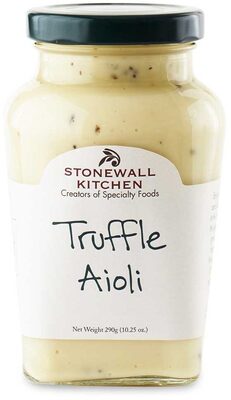
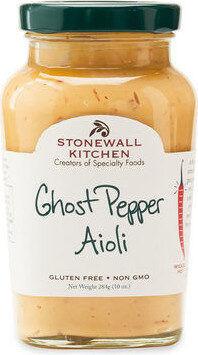
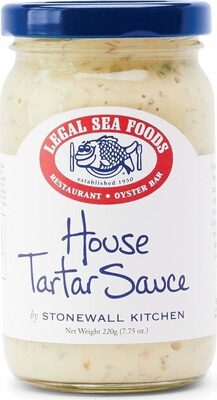
Foods that contain Salted Eggs
Compare products →







Auto-generated content. This description was generated automatically and is pending editorial review. Inaccuracies are possible. Found a mistake? Contact us.