Salted Margarine
Auto-generated content. This description was generated automatically and is pending editorial review. Inaccuracies are possible. Found a mistake? Contact us.
What it is
Salted margarine is a butter substitute made primarily from vegetable oils or animal fats. It is created by blending these fats with water, emulsifiers, and salt. The mixture is then chilled and processed to achieve a solid, spreadable texture similar to butter.
Why it's used
Manufacturers add salted margarine for its fat content, flavor, and spreadability, making it useful in baking and as a table spread. It contributes richness and moisture to baked goods like cakes, pastries, and muffins, and provides a convenient alternative to butter for consumers.
Health notes
Margarine's health impact is often linked to its fat composition, particularly the presence of trans fats in older formulations, though many modern margarines have reduced or eliminated these. The FDA monitors food ingredients for safety. International bodies like JECFA have evaluated many food ingredients, including fats and oils, and set guidelines for their use. Evidence on the health effects of margarine consumption is mixed and depends heavily on the specific type and amount consumed.
Allergen info
Salted margarine is not typically derived from the 9 major allergens. However, some margarines may contain soy lecithin or dairy derivatives (like whey or casein) as emulsifiers or for flavor, which would make them a major allergen. Always check the ingredient list for specific allergen information. It does not contain gluten.
Products containing Salted Margarine
Compare products →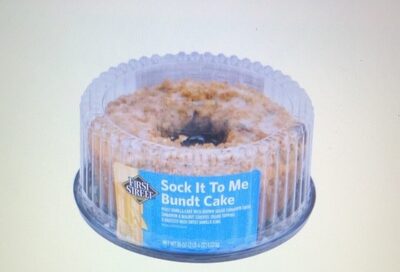 Smart & Final Iris Corporation
Sock It To Me Bundt Cake, Sock It To Me
High in added sugars — 54% DV per serving
388kcal
3.5Protein
20Fat
50.6Carbs
Jean's Posh Pantry, Inc.
Chocolate Chip Horn Cookies, Chocolate Chip
500kcal
0Protein
25Fat
58.3Carbs
Smart & Final Iris Corporation
Sock It To Me Bundt Cake, Sock It To Me
High in added sugars — 54% DV per serving
388kcal
3.5Protein
20Fat
50.6Carbs
Jean's Posh Pantry, Inc.
Chocolate Chip Horn Cookies, Chocolate Chip
500kcal
0Protein
25Fat
58.3Carbs