Salted Pumpkin Seeds
Auto-generated content. This description was generated automatically and is pending editorial review. Inaccuracies are possible. Found a mistake? Contact us.
What it is
Salted pumpkin seeds, also known as pepitas, are the edible seeds from a pumpkin or other cultivars of squash. After harvesting, the seeds are typically cleaned, dried, and then roasted or toasted, often with added salt for flavor. They are a good source of protein, fiber, and healthy fats.
Why it's used
Salted pumpkin seeds are added to foods for their nutty flavor and crunchy texture. They are commonly found in snack mixes, trail mixes, baked goods like bread and muffins, and as a topping for salads, soups, and yogurt. Manufacturers use them to enhance the taste and mouthfeel of various products.
Health notes
Salted pumpkin seeds are generally recognized as safe (GRAS) by the FDA for consumption. They are a source of nutrients like magnesium, zinc, and iron, which are important for health. While generally considered healthy in moderation, the sodium content from added salt can be a concern for individuals monitoring their intake. JECFA and EFSA have evaluated pumpkin seeds as part of broader food categories but have not set specific limits for salted pumpkin seeds themselves.
Allergen info
Pumpkin seeds are not one of the nine major allergens recognized by the FDA. They are also naturally gluten-free.
Products containing Salted Pumpkin Seeds
Compare products →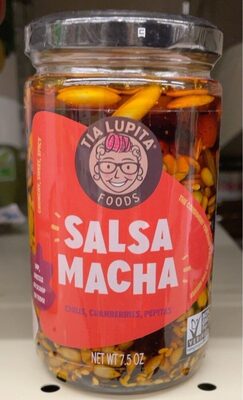 Jlabs Beauty
Chilis, Cranberries, Pepitas Salsa Macha, Chilis, Cranberries, Pepitas
600kcal
0Protein
60Fat
20Carbs
Jlabs Beauty
Chilis, Cranberries, Pepitas Salsa Macha, Chilis, Cranberries, Pepitas
600kcal
0Protein
60Fat
20Carbs