Salvia Hispanica L
What is Salvia Hispanica L?
Salvia Hispanica L, commonly known as chia, is a flowering plant in the mint family. Its seeds are small and oval, typically black or white, and are native to Mexico and Guatemala. The seeds are harvested and can be consumed whole or ground.
Is Salvia Hispanica L vegan?
Salvia Hispanica L is not animal-derived. Products that contain it can still include other animal-derived ingredients, so check the full ingredient list.
Is Salvia Hispanica L gluten-free?
They do not contain gluten.
Is Salvia Hispanica L a major allergen?
Chia seeds are not one of the nine major allergens identified by the FDA.
What is Salvia Hispanica L used for?
Chia seeds are often added to foods for their nutritional value and texture.
Is Salvia Hispanica L safe?
Chia seeds are generally recognized as safe (GRAS) by the FDA for use in food.
Why it's used
Chia seeds are often added to foods for their nutritional value and texture. They are commonly found in beverages, baked goods, and breakfast cereals. Their ability to absorb liquid and form a gel makes them useful as a thickener or binder.
Health notes
Chia seeds are generally recognized as safe (GRAS) by the FDA for use in food. They are a source of fiber, omega-3 fatty acids, and protein. While generally considered healthy, consuming large amounts of fiber without adequate water can lead to digestive discomfort. Regulatory bodies like EFSA have evaluated chia seeds, and JECFA has established guidelines for their use.
Allergen info
Chia seeds are not one of the nine major allergens identified by the FDA. They do not contain gluten.
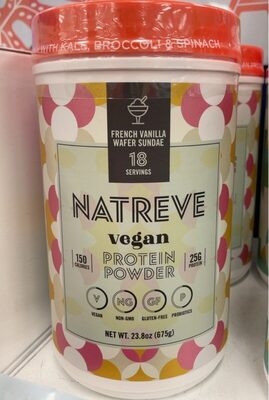
Foods that contain Salvia Hispanica L
Compare products →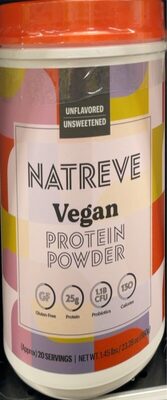
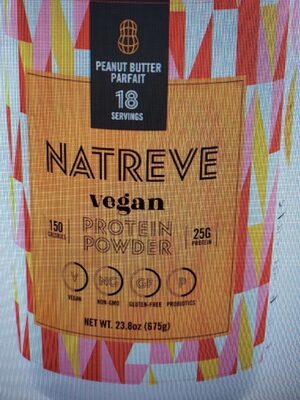
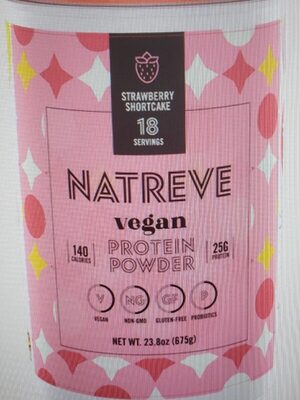
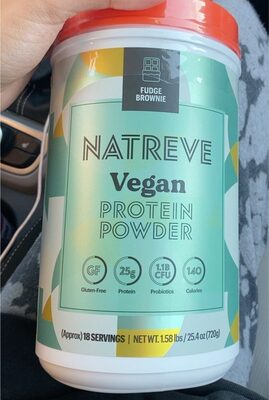
Auto-generated content. This description was generated automatically and is pending editorial review. Inaccuracies are possible. Found a mistake? Contact us.