Sauterne Wine
What is Sauterne Wine?
Sauterne is a type of sweet dessert wine that originated in the Bordeaux region of France. It is made from grapes, typically Semillon, Sauvignon Blanc, and Muscadelle, that have been affected by a process called 'noble rot' (Botrytis cinerea). This mold concentrates the sugars and flavors in the grapes, leading to a rich, sweet wine.
Is Sauterne Wine gluten-free?
It does not contain gluten.
Is Sauterne Wine a major allergen?
Sauterne wine is not derived from any of the 9 FDA major allergens.
What is Sauterne Wine used for?
In the US food industry, Sauterne wine is primarily used as a flavoring ingredient.
Is Sauterne Wine safe?
Sauterne wine is generally recognized as safe (GRAS) by the FDA when used as a flavoring ingredient.
Why it's used
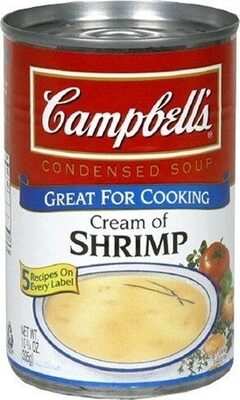
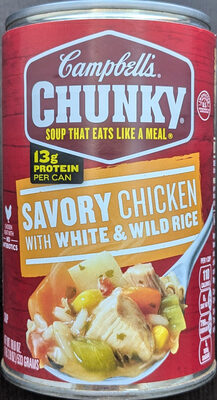
In the US food industry, Sauterne wine is primarily used as a flavoring ingredient. Its sweet and complex flavor profile can add depth to sauces, marinades, and prepared dishes. It is sometimes found in processed meats and soups.
Health notes
Sauterne wine is generally recognized as safe (GRAS) by the FDA when used as a flavoring ingredient. As an alcoholic beverage, excessive consumption is linked to health risks. Regulatory bodies like JECFA have evaluated alcoholic beverages, but specific evaluations for wine as a food ingredient are not widely publicized. Evidence on moderate wine consumption and health is mixed, with some studies suggesting potential benefits and others highlighting risks.
Allergen info
Sauterne wine is not derived from any of the 9 FDA major allergens. It does not contain gluten.
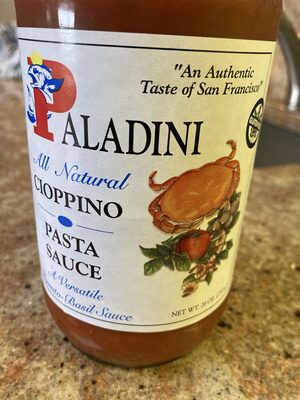
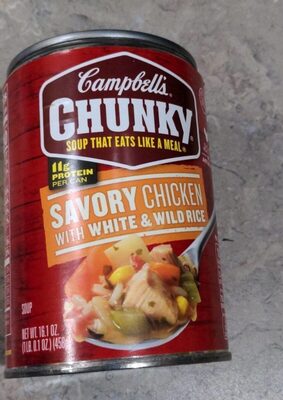
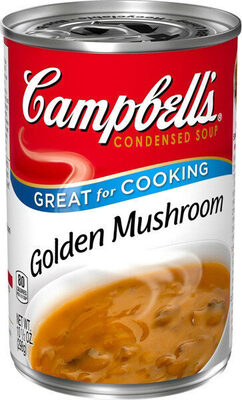
Foods that contain Sauterne Wine
Compare products →


Learn more
Auto-generated content. This description was generated automatically and is pending editorial review. Inaccuracies are possible. Found a mistake? Contact us.