Sea Lettuce
What is Sea Lettuce?
Sea lettuce is a type of edible red algae, commonly found in coastal waters worldwide. It is harvested from the sea and can be sold fresh, dried, or powdered. It is a source of various nutrients.
Is Sea Lettuce vegan?
Sea Lettuce is not animal-derived. Products that contain it can still include other animal-derived ingredients, so check the full ingredient list.
Is Sea Lettuce gluten-free?
It does not contain gluten.
Is Sea Lettuce a major allergen?
Sea lettuce is not derived from one of the nine FDA major allergens.
What is Sea Lettuce used for?
Sea lettuce is used as a flavoring agent and a source of nutrients in foods.
Is Sea Lettuce safe?
Sea lettuce is generally recognized as safe (GRAS) by the FDA for use in food.
Why it's used
Sea lettuce is used as a flavoring agent and a source of nutrients in foods. It is often found in seasoning mixes, salts, marinades, and soups, particularly in Asian cuisine. Its mild, slightly salty flavor can enhance the taste of various dishes.
Health notes
Sea lettuce is generally recognized as safe (GRAS) by the FDA for use in food. It is a source of vitamins, minerals, and fiber. Regulatory bodies like EFSA have evaluated algae as food ingredients. While generally considered safe, like all foods, excessive intake could lead to imbalances. Research is ongoing into the specific health benefits and potential impacts of consuming various types of algae.
Allergen info
Sea lettuce is not derived from one of the nine FDA major allergens. It does not contain gluten.
Foods that contain Sea Lettuce
Compare products →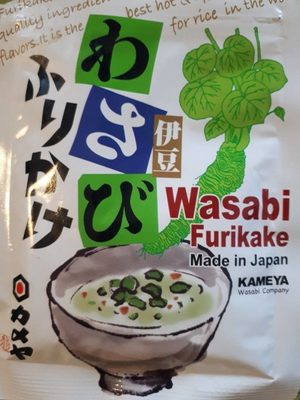
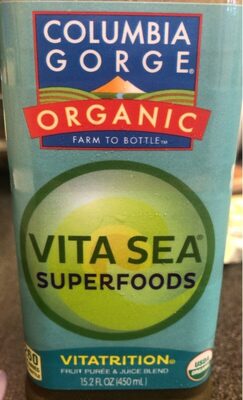
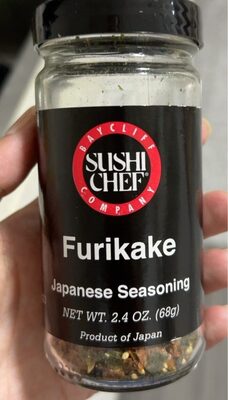
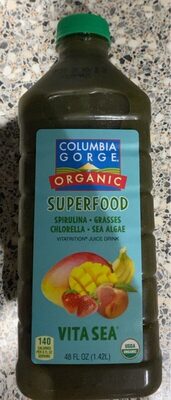
Auto-generated content. This description was generated automatically and is pending editorial review. Inaccuracies are possible. Found a mistake? Contact us.