Seared Steak Flavor
Auto-generated content. This description was generated automatically and is pending editorial review. Inaccuracies are possible. Found a mistake? Contact us.
What it is
Seared Steak Flavor is a flavoring agent designed to mimic the taste and aroma of cooked beef steak. It is typically made by combining various natural and artificial flavor compounds, often including compounds derived from yeast extract, hydrolyzed vegetable protein, and sometimes rendered beef fat or beef extract. The process aims to replicate the savory, umami, and slightly charred notes of seared steak.
Why it's used
Manufacturers use Seared Steak Flavor to enhance the meaty taste of food products, especially in savory dishes. It is commonly found in frozen meals, snack foods, sauces, and processed meat products where a strong beef flavor is desired.
Health notes
Seared Steak Flavor is generally recognized as safe (GRAS) by the FDA when used as a flavoring agent. Regulatory bodies like JECFA and EFSA have evaluated many flavoring substances, but specific evaluations for complex flavor blends like 'Seared Steak Flavor' may not be publicly detailed. At typical consumption levels, these flavors are not associated with adverse health effects. Research into the long-term effects of consuming artificial flavorings is ongoing, but no specific health concerns are widely attributed to this type of flavor at normal intake levels.
Allergen info
Seared Steak Flavor is not a major allergen. However, if derived from hydrolyzed vegetable protein, it may contain soy or wheat derivatives, which are major allergens. It does not inherently contain gluten unless wheat derivatives are used.
Products containing Seared Steak Flavor
Compare products →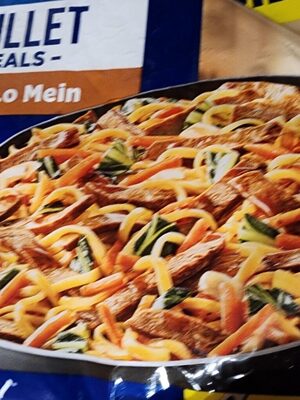 Conagra Brands, Inc
Birds Eye Voila! Beef Lo Mein Skillet Meals, Frozen Meal, 54 oz. Value Size Bag
High in sodium — 28% DV per serving
101kcal
5.3Protein
1.5Fat
15.9Carbs
Conagra Brands, Inc
Birds Eye Voila! Mongolian Style Beef Frozen Meal, 21 oz. Bag
High in sodium — 33% DV per serving
96kcal
4.6Protein
1.6Fat
15.1Carbs
Conagra Brands, Inc
Birds Eye Voila! Beef Lo Mein Skillet Meals, Frozen Meal, 54 oz. Value Size Bag
High in sodium — 28% DV per serving
101kcal
5.3Protein
1.5Fat
15.9Carbs
Conagra Brands, Inc
Birds Eye Voila! Mongolian Style Beef Frozen Meal, 21 oz. Bag
High in sodium — 33% DV per serving
96kcal
4.6Protein
1.6Fat
15.1Carbs
 Conagra Brands, Inc
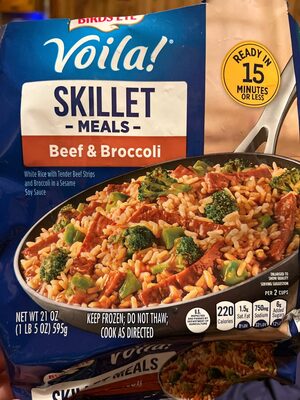
Birds Eye Voila! Beef & Broccoli 21 oz.
High in sodium — 33% DV per serving
103kcal
5.2Protein
1.6Fat
16.4Carbs
Conagra Brands, Inc
Birds Eye Voila! Beef & Broccoli 21 oz.
High in sodium — 33% DV per serving
103kcal
5.2Protein
1.6Fat
16.4Carbs
 Conagra Brands, Inc
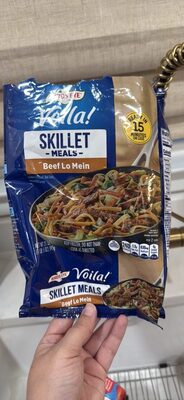
Birds Eye Voila! Beef Lo Mein Skillet Meals, Frozen Meal, 21 oz. Bag
High in sodium — 27% DV per serving
106kcal
5.7Protein
1.5Fat
17.2Carbs
Conagra Brands, Inc
Birds Eye Voila! Beef Lo Mein Skillet Meals, Frozen Meal, 21 oz. Bag
High in sodium — 27% DV per serving
106kcal
5.7Protein
1.5Fat
17.2Carbs