Sesame Oil
What is Sesame Oil?
Sesame oil is an edible vegetable oil made from sesame seeds. It can be cold-pressed for a lighter flavor or toasted and then pressed to create a darker oil with a stronger, nuttier taste.
Is Sesame Oil vegan?
Sesame Oil is not animal-derived. Products that contain it can still include other animal-derived ingredients, so check the full ingredient list.
Is Sesame Oil a major allergen?
Sesame oil is derived from sesame seeds, which are one of the nine major food allergens identified by the FDA.
What is Sesame Oil used for?
Manufacturers add sesame oil primarily for its distinct nutty and earthy flavor.
Is Sesame Oil safe?
In the United States, sesame oil is considered a common food ingredient and is generally recognized as safe (GRAS) by the FDA.
Why it's used
Manufacturers add sesame oil primarily for its distinct nutty and earthy flavor. It is a popular ingredient in many Asian cuisines, often found in marinades, salad dressings, and stir-fries, and is also used as a cooking oil.
Health notes
In the United States, sesame oil is considered a common food ingredient and is generally recognized as safe (GRAS) by the FDA. Like other oils, it is a source of dietary fat and should be consumed in moderation as part of a balanced diet. It is not typically evaluated by international bodies like JECFA or EFSA as a food additive.
Allergen info
Sesame oil is derived from sesame seeds, which are one of the nine major food allergens identified by the FDA.
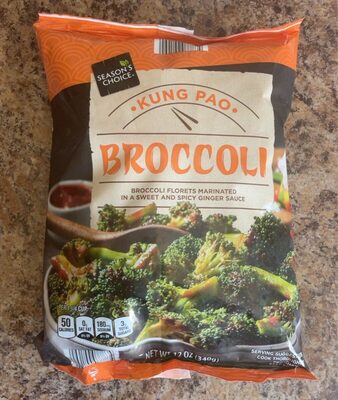
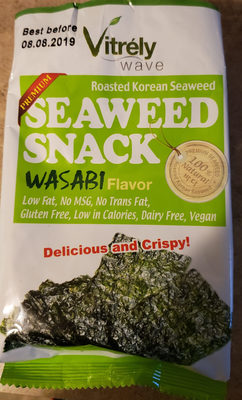
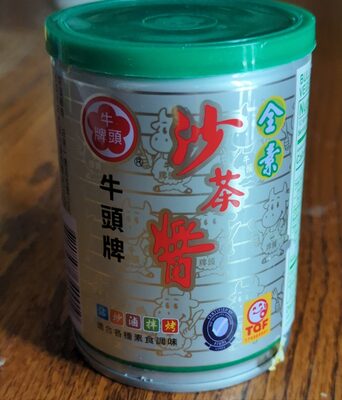
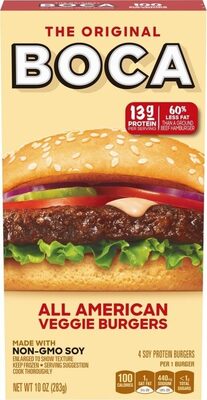
Foods that contain Sesame Oil
Compare products →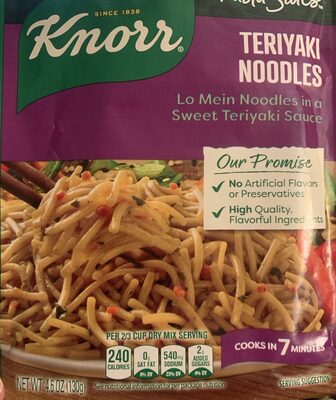
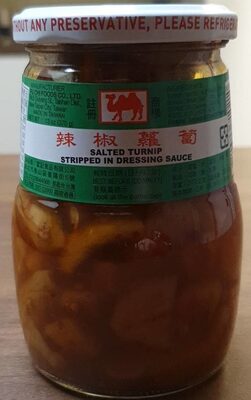
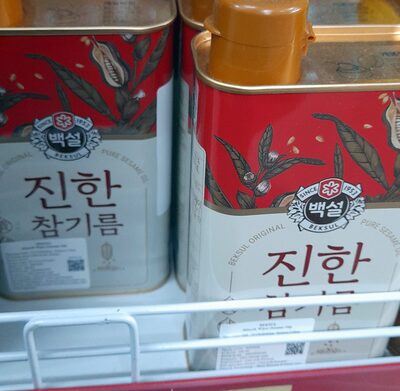
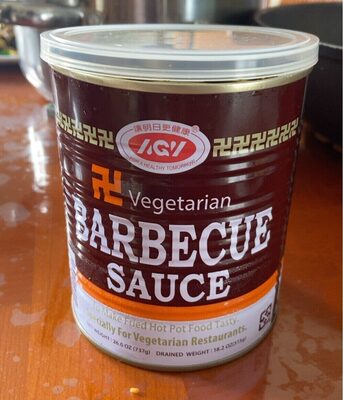












Learn more
Auto-generated content. This description was generated automatically and is pending editorial review. Inaccuracies are possible. Found a mistake? Contact us.