Sesame Seeds If Apparent
Auto-generated content. This description was generated automatically and is pending editorial review. Inaccuracies are possible. Found a mistake? Contact us.
What it is
Sesame seeds are small, edible seeds that come from the Sesamum indicum plant. They are harvested from seed pods and can be used whole or as a source of oil. The seeds have a slightly nutty flavor and a crunchy texture.
Why it's used
Sesame seeds are often used as a topping for breads, bagels, and buns, adding both flavor and visual appeal. They are also a key ingredient in many Asian cuisines, used in stir-fries, salads, and sauces. Manufacturers use them for their distinct taste and texture.
Health notes
Sesame seeds are generally recognized as safe (GRAS) by the FDA when used as a food ingredient. They are a source of healthy fats, protein, fiber, and various micronutrients. Regulatory bodies like JECFA have evaluated sesame and its derivatives. While generally considered healthy, some individuals may have allergic reactions.
Allergen info
Sesame is one of the 9 major food allergens recognized by the FDA. People with sesame allergies should avoid products containing these seeds. It does not contain gluten.
Products containing Sesame Seeds If Apparent
Compare products →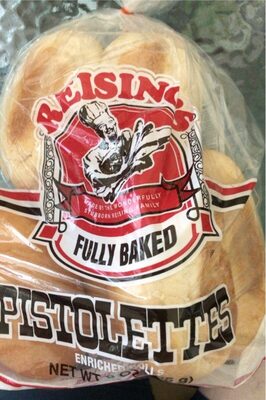 G. H. Leidenheimer Baking Co. Ltd.
New Orleans French Fully Baked Pistolettes, New Orleans French
256kcal
9.3Protein
2.3Fat
48.8Carbs
G. H. Leidenheimer Baking Co. Ltd.
Zip Twin Poor Boy Enriched Bread
250kcal
8.9Protein
1.8Fat
48.2Carbs
G. H. Leidenheimer Baking Co. Ltd.
New Orleans French Fully Baked Pistolettes, New Orleans French
256kcal
9.3Protein
2.3Fat
48.8Carbs
G. H. Leidenheimer Baking Co. Ltd.
Zip Twin Poor Boy Enriched Bread
250kcal
8.9Protein
1.8Fat
48.2Carbs
 G. H. Leidenheimer Baking Co. Ltd.
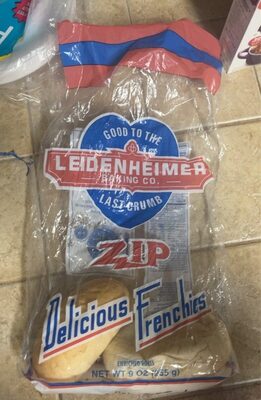
Zip Delicious Frenchies Enriched Rolls
256kcal
9.3Protein
2.3Fat
48.8Carbs
G. H. Leidenheimer Baking Co. Ltd.
Zip Poor Boy Enriched French Bread, French
250kcal
8.9Protein
1.8Fat
50Carbs
G. H. Leidenheimer Baking Co. Ltd.
Zip Delicious Frenchies Enriched Rolls
256kcal
9.3Protein
2.3Fat
48.8Carbs
G. H. Leidenheimer Baking Co. Ltd.
Zip Poor Boy Enriched French Bread, French
250kcal
8.9Protein
1.8Fat
50Carbs
 Alpha Baking Co., Inc.
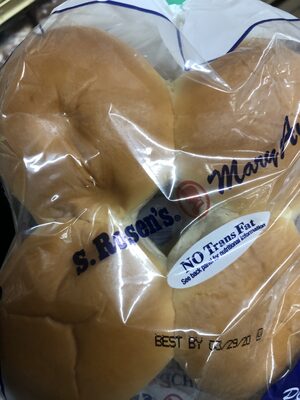
Plain Enriched Hamburger Buns, Plain
263kcal
8.8Protein
3.5Fat
47.4Carbs
Alpha Baking Co., Inc.
Plain Enriched Hamburger Buns, Plain
263kcal
8.8Protein
3.5Fat
47.4Carbs