Shallot
What is Shallot?
A shallot is a type of onion, closely related to garlic and leeks. It is a small, bulbous vegetable that grows in clusters. Shallots are typically milder and sweeter than common onions, with a more delicate flavor.
Is Shallot vegan?
Shallot is not animal-derived. Products that contain it can still include other animal-derived ingredients, so check the full ingredient list.
Is Shallot gluten-free?
They do not contain gluten.
Is Shallot a major allergen?
Shallots are not one of the nine FDA major allergens.
What is Shallot used for?
Shallots are used as a flavoring ingredient in a wide variety of savory dishes.
Is Shallot safe?
Shallots are a vegetable and are generally recognized as safe (GRAS) by the FDA when used as a food ingredient.
Why it's used
Shallots are used as a flavoring ingredient in a wide variety of savory dishes. Manufacturers add them to sauces, dressings, marinades, and spice blends to impart a distinct oniony taste. They are common in French and Asian cuisines.
Health notes
Shallots are a vegetable and are generally recognized as safe (GRAS) by the FDA when used as a food ingredient. They contain vitamins, minerals, and antioxidants. Regulatory bodies like EFSA have evaluated similar alliums, but specific evaluations for shallots as a food additive are not widely documented. No significant health concerns are associated with typical dietary intake.
Allergen info
Shallots are not one of the nine FDA major allergens. They do not contain gluten.
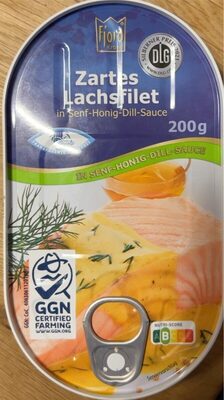
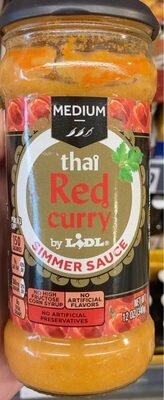
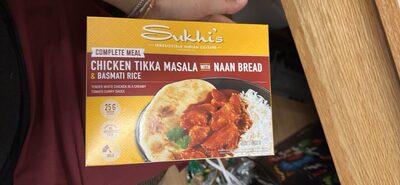
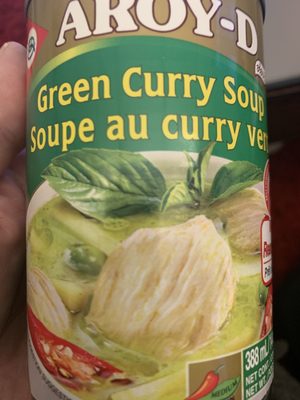
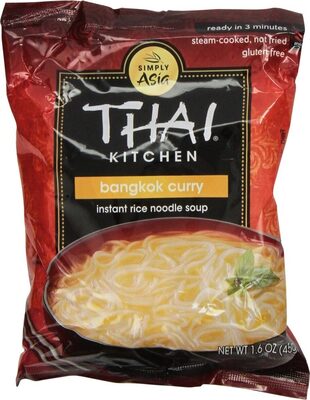
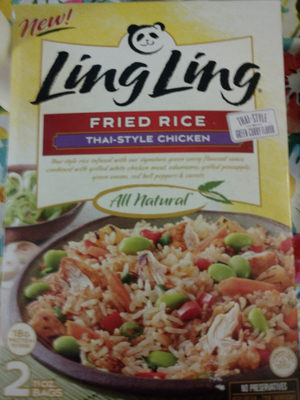
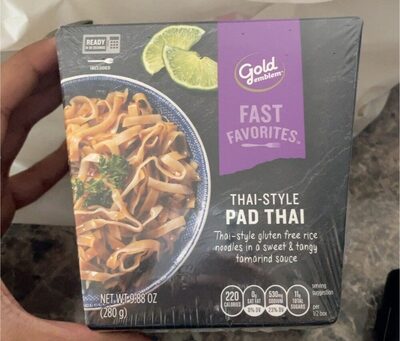
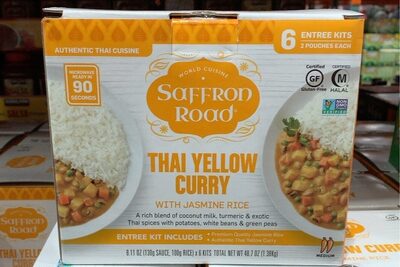
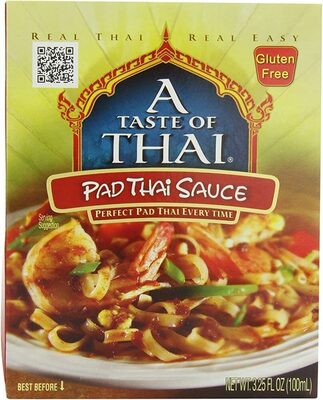
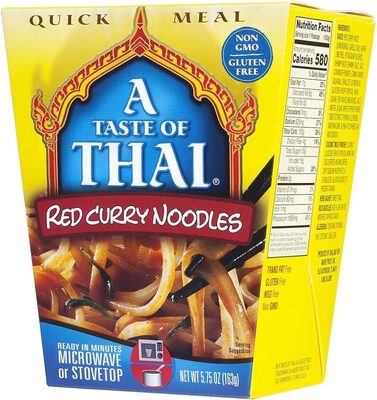
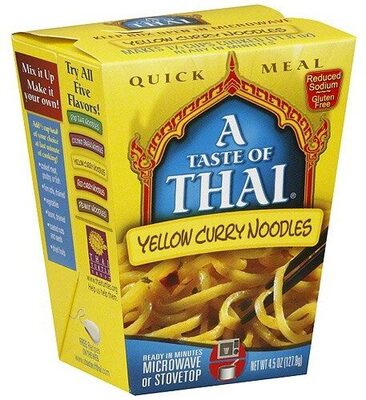
Foods that contain Shallot
Compare products →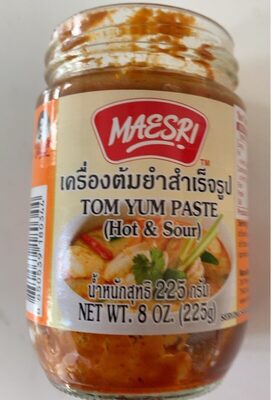
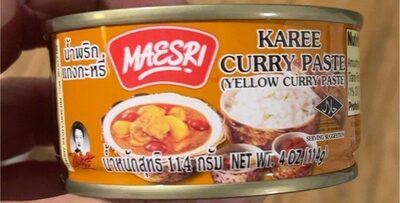

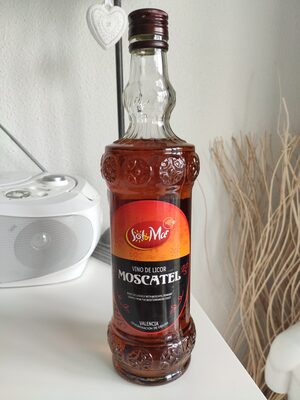
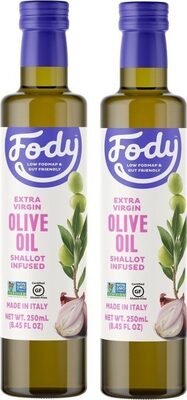
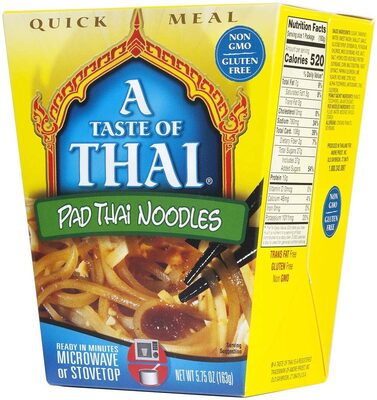
Auto-generated content. This description was generated automatically and is pending editorial review. Inaccuracies are possible. Found a mistake? Contact us.