Shea Butter
What is Shea Butter?
Shea butter is a fat extracted from the nut of the African shea tree. It is typically a creamy white or ivory color and has a mild, nutty flavor. The process involves crushing the nuts, boiling them, and then skimming off the fat that rises to the surface.
Is Shea Butter vegan?
Shea Butter is not animal-derived. Products that contain it can still include other animal-derived ingredients, so check the full ingredient list.
Is Shea Butter gluten-free?
It is not derived from any of the other FDA major allergens, nor does it contain gluten.
Is Shea Butter a major allergen?
Shea butter is derived from the nut of the shea tree.
What is Shea Butter used for?
Shea butter is used as a fat source in food products, similar to cocoa butter or vegetable oils.
Is Shea Butter safe?
In the U.S., shea butter is generally recognized as safe (GRAS) by the FDA for use in food.
Why it's used
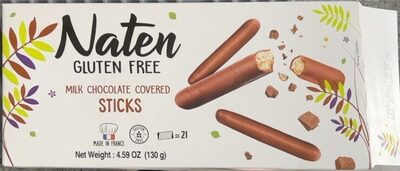
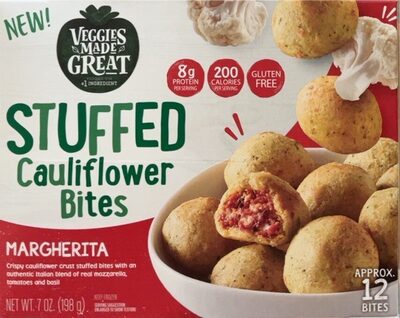
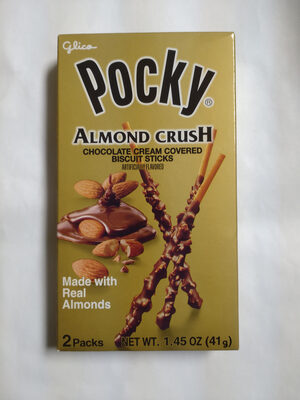
Shea butter is used as a fat source in food products, similar to cocoa butter or vegetable oils. It adds richness and a smooth texture, and can also act as a stabilizer. It is commonly found in chocolate confections, baked goods, and some frozen appetizers.
Health notes
In the U.S., shea butter is generally recognized as safe (GRAS) by the FDA for use in food. It is primarily composed of fatty acids, including oleic acid and stearic acid, which are common in many dietary fats. International bodies like JECFA have evaluated shea butter, and it is considered safe for consumption. No significant health concerns are associated with its typical use in foods.
Allergen info
Shea butter is derived from the nut of the shea tree. While tree nuts are a major allergen, shea nuts are not typically included in this category by regulatory bodies. It is not derived from any of the other FDA major allergens, nor does it contain gluten.
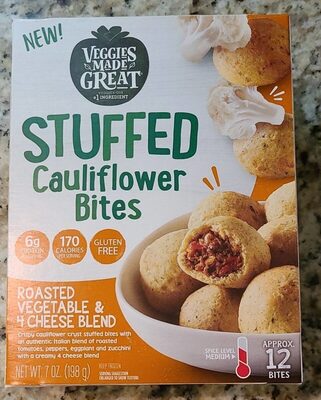
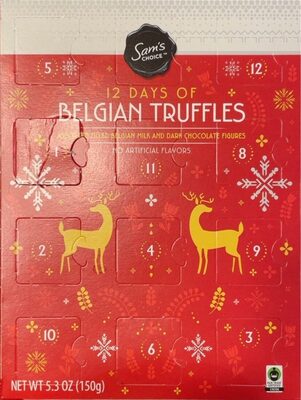
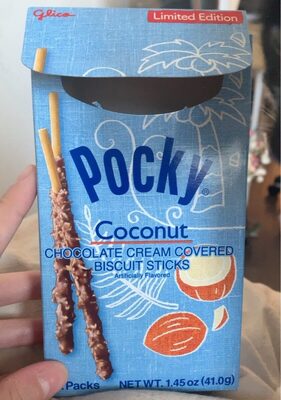
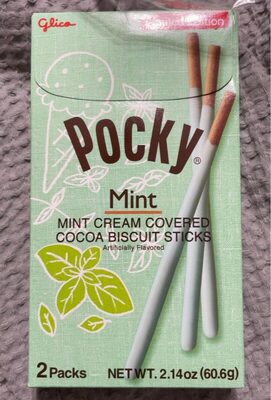
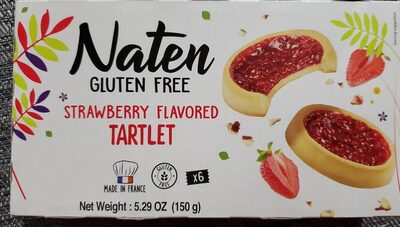
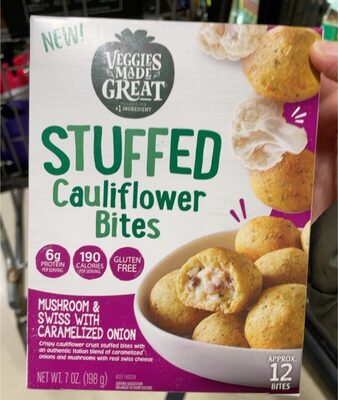
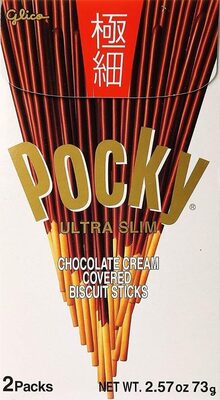
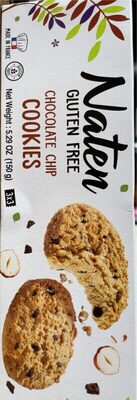
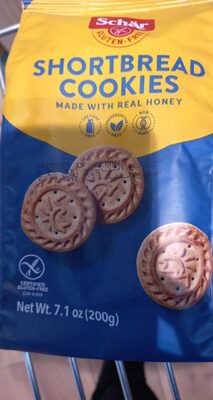
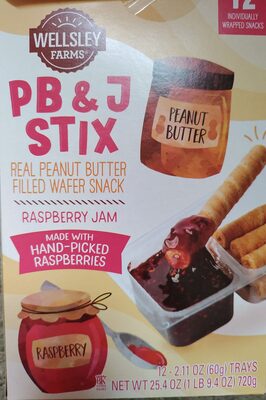
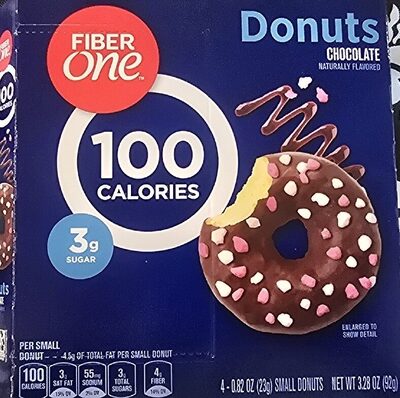
Foods that contain Shea Butter
Compare products →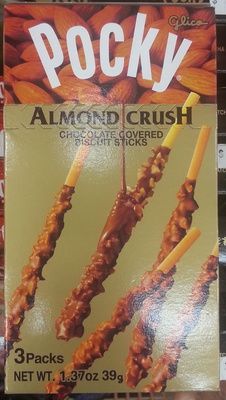
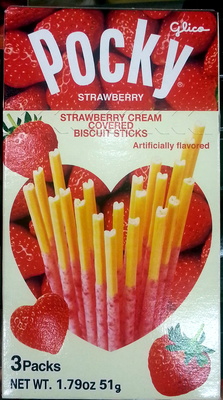
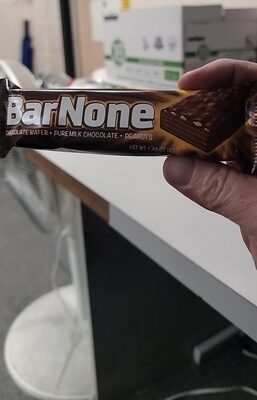
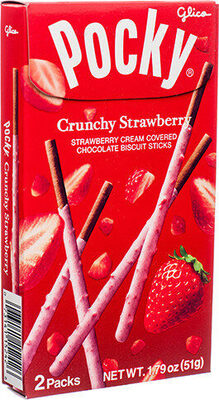
Learn more
Auto-generated content. This description was generated automatically and is pending editorial review. Inaccuracies are possible. Found a mistake? Contact us.