Sheep's Cow's Milk
Auto-generated content. This description was generated automatically and is pending editorial review. Inaccuracies are possible. Found a mistake? Contact us.
What it is
Sheep's milk is milk produced by domestic sheep. It is richer and creamier than cow's milk, with higher levels of protein, fat, and lactose. It is commonly used to make cheese, yogurt, and butter.
Why it's used
Manufacturers use sheep's milk and its derivatives in a variety of products due to its rich flavor and texture. It is often found in cheeses, yogurts, ice cream, and baked goods, contributing a distinct creamy quality.
Health notes
Sheep's milk is generally recognized as safe (GRAS) by the FDA for use in food. It is a source of protein, calcium, and other nutrients. International bodies like JECFA have evaluated milk and dairy products. Evidence does not suggest adverse health effects from moderate consumption of sheep's milk.
Allergen info
Sheep's milk is derived from milk, which is one of the nine FDA major allergens. People with a milk allergy should avoid products containing sheep's milk.
Products containing Sheep's Cow's Milk
Compare products →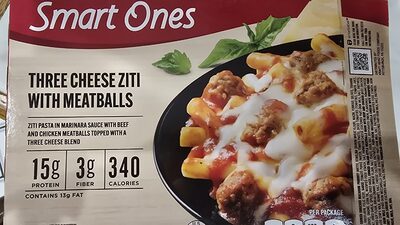 H.J. Heinz Company
Three Cheese Ziti With Meatballs
High in sodium — 30% DV per serving
High in saturated fat — 25% DV per serving
133kcal
5.9Protein
5.1Fat
15.3Carbs
Kettle Cuisine, Inc.
Penne With Meatballs
High in sodium — 37% DV per serving
High in saturated fat — 35% DV per serving
131kcal
5.7Protein
7.8Fat
10.9Carbs
Hy-Vee, Inc.
Italian Style Wedding Soup With Meatballs, Italian Style
High in sodium — 37% DV per serving
57kcal
2.0Protein
2.9Fat
6.5Carbs
Hy-Vee, Inc.
Italian Style Wedding Soup With Meatballs
High in sodium — 37% DV per serving
57kcal
2.0Protein
2.9Fat
6.1Carbs
Delhaize America, Inc.
Italian-Style Wedding Soup
High in sodium — 23% DV per serving
57kcal
2.9Protein
3.3Fat
4.5Carbs
H.J. Heinz Company
Three Cheese Ziti With Meatballs
High in sodium — 30% DV per serving
High in saturated fat — 25% DV per serving
133kcal
5.9Protein
5.1Fat
15.3Carbs
Kettle Cuisine, Inc.
Penne With Meatballs
High in sodium — 37% DV per serving
High in saturated fat — 35% DV per serving
131kcal
5.7Protein
7.8Fat
10.9Carbs
Hy-Vee, Inc.
Italian Style Wedding Soup With Meatballs, Italian Style
High in sodium — 37% DV per serving
57kcal
2.0Protein
2.9Fat
6.5Carbs
Hy-Vee, Inc.
Italian Style Wedding Soup With Meatballs
High in sodium — 37% DV per serving
57kcal
2.0Protein
2.9Fat
6.1Carbs
Delhaize America, Inc.
Italian-Style Wedding Soup
High in sodium — 23% DV per serving
57kcal
2.9Protein
3.3Fat
4.5Carbs
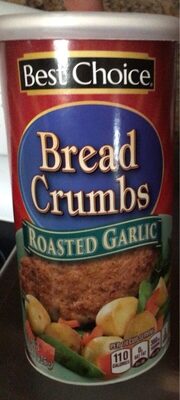 Associated Wholesale Grocers, Inc.
Roasted Garlic Bread Crumbs, Roasted Garlic
367kcal
13.3Protein
5Fat
73.3Carbs
Colonna Brothers
Italian Style Flavored Bread Crumbs
367kcal
13.3Protein
5Fat
73.3Carbs
Colonna Brothers
Roasted Garlic Seasoned Bread Crumbs, Roasted Garlic
367kcal
13.3Protein
5Fat
73.3Carbs
Colonna Brothers
Flavored Italian Style Bread Crumbs
367kcal
13.3Protein
5Fat
73.3Carbs
Associated Wholesale Grocers, Inc.
Roasted Garlic Bread Crumbs, Roasted Garlic
367kcal
13.3Protein
5Fat
73.3Carbs
Colonna Brothers
Italian Style Flavored Bread Crumbs
367kcal
13.3Protein
5Fat
73.3Carbs
Colonna Brothers
Roasted Garlic Seasoned Bread Crumbs, Roasted Garlic
367kcal
13.3Protein
5Fat
73.3Carbs
Colonna Brothers
Flavored Italian Style Bread Crumbs
367kcal
13.3Protein
5Fat
73.3Carbs