Shelf-life Extender
Auto-generated content. This description was generated automatically and is pending editorial review. Inaccuracies are possible. Found a mistake? Contact us.
What it is
Shelf-life extenders are ingredients that help keep food fresh for longer periods. They can be naturally occurring or synthesized. Their production methods vary widely depending on the specific ingredient used.
Why it's used
Manufacturers add shelf-life extenders to prevent spoilage, maintain texture, and preserve the quality of food products over time. They are commonly found in baked goods like cakes, pastries, and muffins, as well as prepared sandwiches and rolls.
Health notes
The U.S. Food and Drug Administration (FDA) generally regards many common shelf-life extenders as Generally Recognized As Safe (GRAS) or has approved them as food additives. International bodies like the Joint FAO/WHO Expert Committee on Food Additives (JECFA) and the European Food Safety Authority (EFSA) have evaluated many of these ingredients. While generally considered safe at typical consumption levels, some individuals may experience sensitivities. Research into the long-term effects of consuming various food additives is ongoing.
Allergen info
Shelf-life extenders themselves are not typically major allergens. However, the specific product they are used in may contain major allergens. Gluten is not inherently present in most shelf-life extenders, but may be found in the food product.
Products containing Shelf-life Extender
Compare products →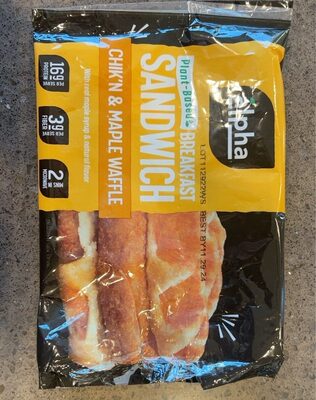 The Miso Brothers, Inc.
Chicken & Maple Breakfast Waffle Sandwich, Chicken & Maple
High in sodium — 22% DV per serving
High in saturated fat — 22% DV per serving
High in added sugars — 22% DV per serving
346kcal
12.0Protein
17.3Fat
36.8Carbs
Fresh Grill, LLC
Superpower Wedge
High in sodium — 28% DV per serving
190kcal
5.2Protein
7.1Fat
28.6Carbs
The Miso Brothers, Inc.
Chicken & Maple Breakfast Waffle Sandwich, Chicken & Maple
High in sodium — 22% DV per serving
High in saturated fat — 22% DV per serving
High in added sugars — 22% DV per serving
346kcal
12.0Protein
17.3Fat
36.8Carbs
Fresh Grill, LLC
Superpower Wedge
High in sodium — 28% DV per serving
190kcal
5.2Protein
7.1Fat
28.6Carbs