Shortening Soybean Oil
Auto-generated content. This description was generated automatically and is pending editorial review. Inaccuracies are possible. Found a mistake? Contact us.
What it is
Shortening is a solid fat, typically made from vegetable oils like soybean oil. It is created through a process called hydrogenation, which adds hydrogen to liquid oil, making it more solid and stable. This process also affects the fatty acid profile, potentially creating trans fats, though modern methods aim to minimize this.
Why it's used
Manufacturers use shortening as a fat source in baked goods to provide tenderness, flakiness, and a smooth texture. Its solid form at room temperature makes it ideal for creating distinct layers in pastries like croissants and for preventing gluten development in cakes and cookies. It is commonly found in cakes, cupcakes, cookies, pastries, and some frozen desserts.
Health notes
Soybean oil is generally recognized as safe (GRAS) by the FDA for use in food. It is a common source of polyunsaturated and monounsaturated fats. While hydrogenation can create trans fats, which the FDA has determined are not GRAS for use in food, manufacturers have largely reduced or eliminated trans fats in shortenings. The WHO has advised limiting saturated and trans fats in the diet.
Allergen info
Soybean oil is derived from soybeans, which are one of the 9 FDA major allergens. Therefore, products containing soybean oil must be labeled accordingly.
Products containing Shortening Soybean Oil
Compare products →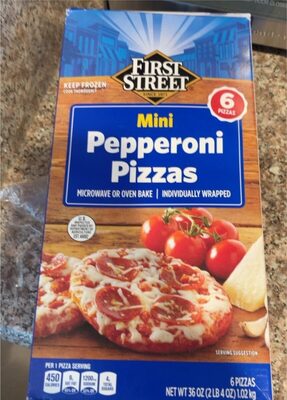 Smart & Final Iris Corporation
Pepperoni Mini Pizzas, Pepperoni
High in sodium — 52% DV per serving
High in saturated fat — 45% DV per serving
250kcal
10.6Protein
13.9Fat
21.1Carbs
Giant Eagle, Inc.
Chocolate Landslide Ice Cream With Brownie Pieces, Chocolate Landslide
High in saturated fat — 70% DV per serving
High in added sugars — 54% DV per serving
High in cholesterol — 28% DV per serving
250kcal
4.2Protein
15.3Fat
27.1Carbs
Thelma's LLC
Thelma's Cookies Pack Variety, 4 Count
High in saturated fat — 40% DV per serving
High in cholesterol — 20% DV per serving
270kcal
4.4Protein
10.7Fat
39.0Carbs
Smart & Final Iris Corporation
Pepperoni Mini Pizzas, Pepperoni
High in sodium — 52% DV per serving
High in saturated fat — 45% DV per serving
250kcal
10.6Protein
13.9Fat
21.1Carbs
Giant Eagle, Inc.
Chocolate Landslide Ice Cream With Brownie Pieces, Chocolate Landslide
High in saturated fat — 70% DV per serving
High in added sugars — 54% DV per serving
High in cholesterol — 28% DV per serving
250kcal
4.2Protein
15.3Fat
27.1Carbs
Thelma's LLC
Thelma's Cookies Pack Variety, 4 Count
High in saturated fat — 40% DV per serving
High in cholesterol — 20% DV per serving
270kcal
4.4Protein
10.7Fat
39.0Carbs