Shrimp Powder
What is Shrimp Powder?
Shrimp powder is made from dried, ground shrimp. The shrimp are typically cooked, dried, and then finely milled into a powder. This process concentrates the natural flavor and aroma of the shrimp.
Is Shrimp Powder vegan?
No. Shrimp Powder is animal-derived, so it is not vegan.
Is Shrimp Powder a major allergen?
Shrimp is one of the nine FDA major allergens.
What is Shrimp Powder used for?
Shrimp powder is used as a flavoring agent to impart a savory, seafood taste to foods.
Is Shrimp Powder safe?
Shrimp powder is generally recognized as safe (GRAS) by the FDA for use as a food ingredient.
Why it's used
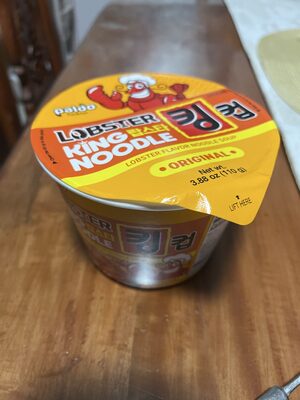
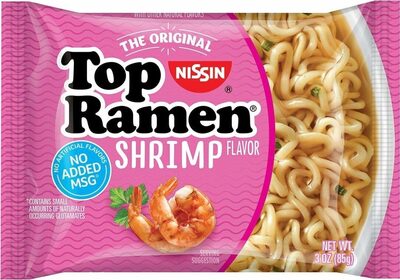
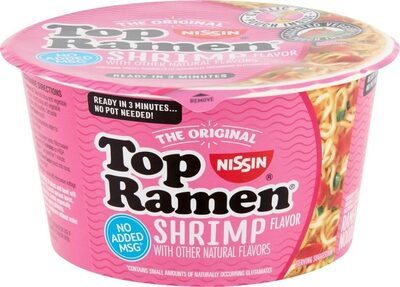
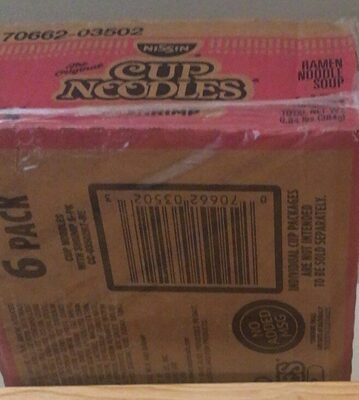
Shrimp powder is used as a flavoring agent to impart a savory, seafood taste to foods. It is commonly found in Asian-inspired dishes, snacks, and seasonings. Manufacturers add it to enhance the umami and seafood notes in products like instant noodles, crackers, and spice blends.
Health notes
Shrimp powder is generally recognized as safe (GRAS) by the FDA for use as a food ingredient. It is a natural source of protein and minerals. International bodies like JECFA have evaluated shrimp and its components. At typical consumption levels, it is not associated with adverse health effects. There are no widespread controversies regarding its use in food.
Allergen info
Shrimp is one of the nine FDA major allergens. Individuals with shellfish allergies should avoid products containing shrimp powder.
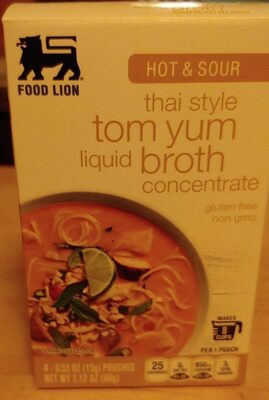
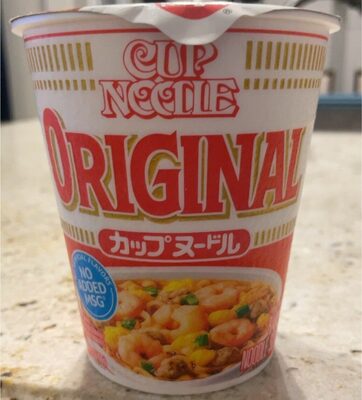
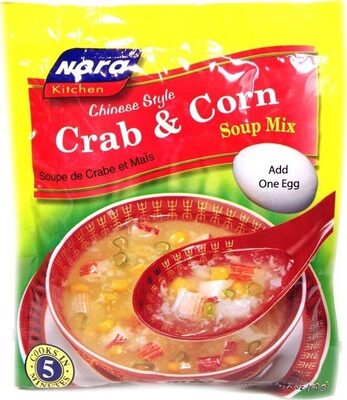
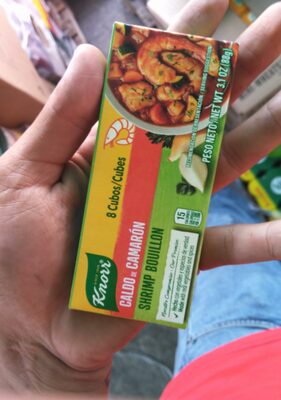
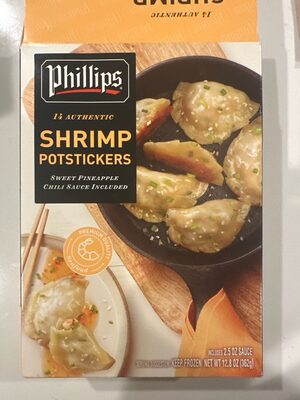
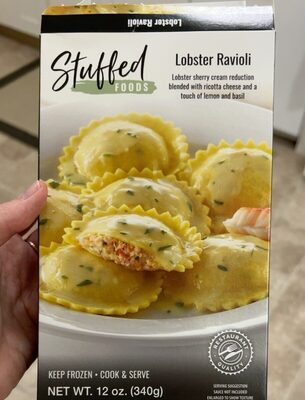
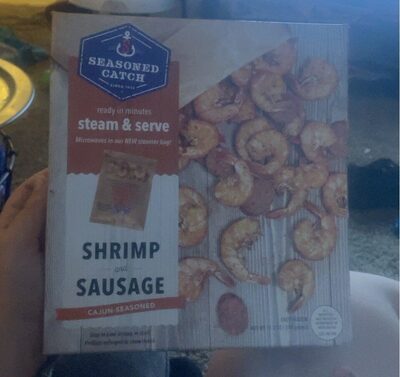
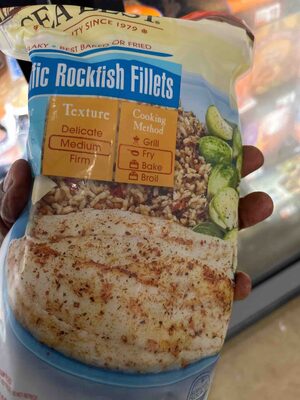
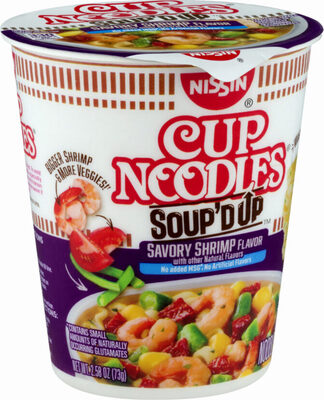
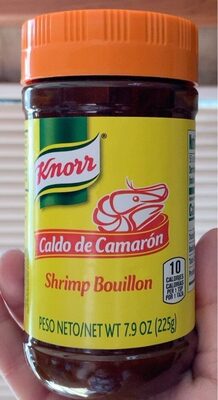
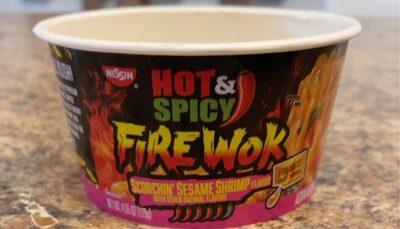
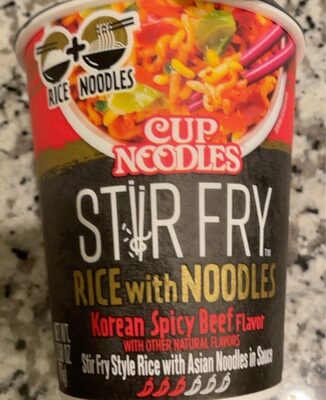
Foods that contain Shrimp Powder
Compare products →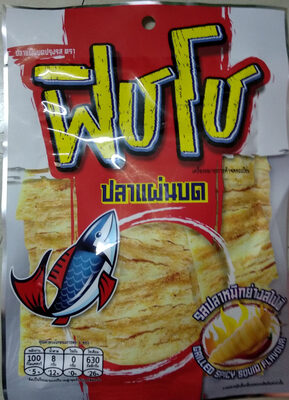
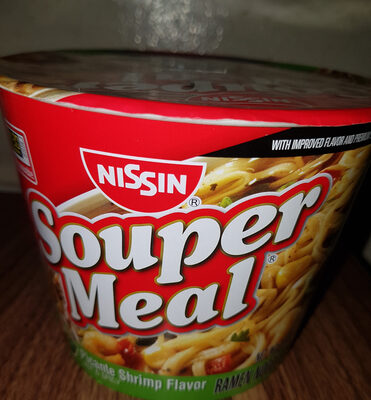
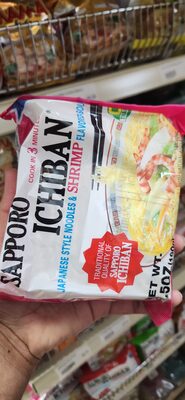
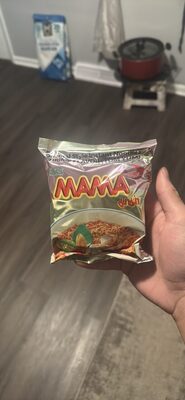
Learn more
Auto-generated content. This description was generated automatically and is pending editorial review. Inaccuracies are possible. Found a mistake? Contact us.