Skinless Turkey Breast
What is Skinless Turkey Breast?
Skinless turkey breast is a cut of meat from the breast of a turkey, with the skin removed. It is a lean source of protein, often sold fresh or frozen. It can be processed into ground turkey or sliced for various dishes.
Is Skinless Turkey Breast vegan?
No. Skinless Turkey Breast is animal-derived, so it is not vegan.
Is Skinless Turkey Breast gluten-free?
It does not contain gluten.
Is Skinless Turkey Breast a major allergen?
Not a major allergen.
What is Skinless Turkey Breast used for?
Manufacturers use skinless turkey breast as a primary protein source in a wide variety of savory dishes.
Is Skinless Turkey Breast safe?
Skinless turkey breast is a source of protein and essential nutrients.
Why it's used
Manufacturers use skinless turkey breast as a primary protein source in a wide variety of savory dishes. It's common in frozen meals, deli meats, and prepared entrees due to its lean profile and mild flavor, which readily absorbs seasonings.
Health notes
Skinless turkey breast is a source of protein and essential nutrients. The US FDA considers turkey to be safe for consumption. Regulatory bodies like the WHO and EFSA have not specifically evaluated turkey breast as a food additive. It is a naturally occurring food, not an additive, and is generally considered part of a healthy diet when consumed in moderation as part of a balanced eating pattern.
Allergen info
Not a major allergen. Turkey is not one of the 9 FDA major allergens. It does not contain gluten.
Foods that contain Skinless Turkey Breast
Compare products →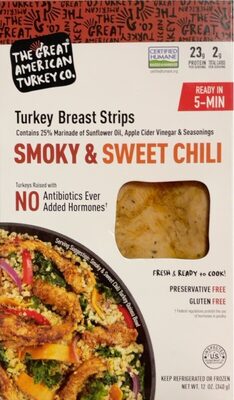
Learn more
Auto-generated content. This description was generated automatically and is pending editorial review. Inaccuracies are possible. Found a mistake? Contact us.