Smoked Provolone
What is Smoked Provolone?
Smoked provolone is a semi-hard, Italian-style cheese made from cow's milk. It is produced similarly to regular provolone, but it undergoes a smoking process, typically using wood chips, which imparts a distinct smoky flavor and aroma. The cheese is aged for a period, developing its characteristic firm texture and sharp taste.
Is Smoked Provolone vegan?
No. Smoked Provolone is animal-derived, so it is not vegan.
Is Smoked Provolone gluten-free?
It does not contain gluten.
Is Smoked Provolone a major allergen?
Smoked provolone is derived from milk, which is one of the nine FDA major allergens.
What is Smoked Provolone used for?
Smoked provolone is used to add a rich, smoky flavor to a variety of dishes.
Is Smoked Provolone safe?
Smoked provolone is generally recognized as safe (GRAS) by the FDA as a food ingredient.
Why it's used
Smoked provolone is used to add a rich, smoky flavor to a variety of dishes. It melts well, making it a popular choice for sandwiches, pizzas, and grilled cheese. It can also be grated over pasta, used in casseroles, or served on cheese boards.
Health notes
Smoked provolone is generally recognized as safe (GRAS) by the FDA as a food ingredient. It is a source of protein and calcium. Like other dairy products, it contains saturated fat and sodium. International bodies like JECFA have evaluated cheese and dairy products, but specific evaluations for smoked provolone are not commonly cited.
Allergen info
Smoked provolone is derived from milk, which is one of the nine FDA major allergens. It does not contain gluten.
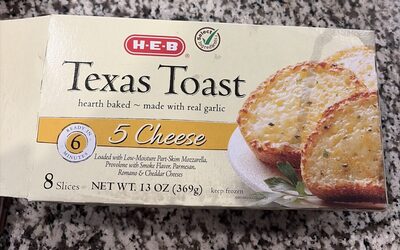
Foods that contain Smoked Provolone
Compare products →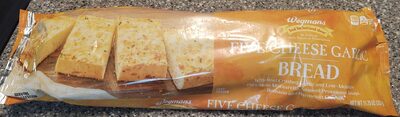
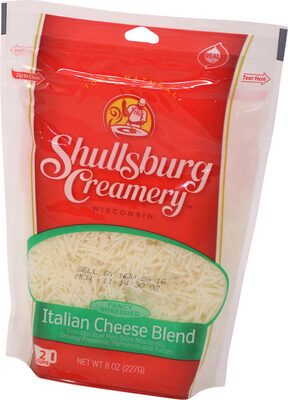
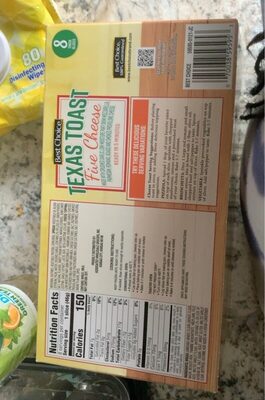
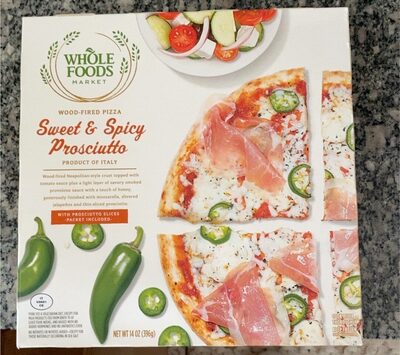
Learn more
Auto-generated content. This description was generated automatically and is pending editorial review. Inaccuracies are possible. Found a mistake? Contact us.