Smoked Turkey Breast
What is Smoked Turkey Breast?
Smoked turkey breast is a type of processed meat made from turkey breast that has been cured and then exposed to smoke. The smoking process adds flavor and helps to preserve the meat. It is typically cooked before being sold.
Is Smoked Turkey Breast vegan?
No. Smoked Turkey Breast is animal-derived, so it is not vegan.
Is Smoked Turkey Breast gluten-free?
It does not contain gluten.
Is Smoked Turkey Breast a major allergen?
Smoked turkey breast is not derived from any of the 9 FDA major allergens.
What is Smoked Turkey Breast used for?
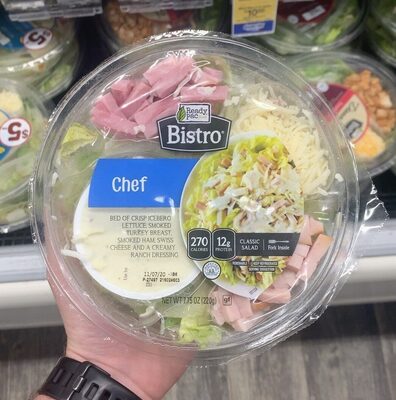
Smoked turkey breast is often used as a protein source in sandwiches, salads, and wraps.
Is Smoked Turkey Breast safe?
Smoked turkey breast is considered a processed meat.
Why it's used
Smoked turkey breast is often used as a protein source in sandwiches, salads, and wraps. Manufacturers add it for its savory flavor and convenient, ready-to-eat form. It is commonly found in deli meats, prepared meals, and appetizers.
Health notes
Smoked turkey breast is considered a processed meat. The World Health Organization (WHO) classifies processed meat as a Group 1 carcinogen, meaning there is sufficient evidence that it causes cancer in humans. This classification is based on studies linking high consumption of processed meats to an increased risk of colorectal cancer. The FDA has not set specific regulations for processed meats beyond general food safety standards. Consumers concerned about processed meat intake may choose to limit their consumption.
Allergen info
Smoked turkey breast is not derived from any of the 9 FDA major allergens. It does not contain gluten.
Foods that contain Smoked Turkey Breast
Compare products →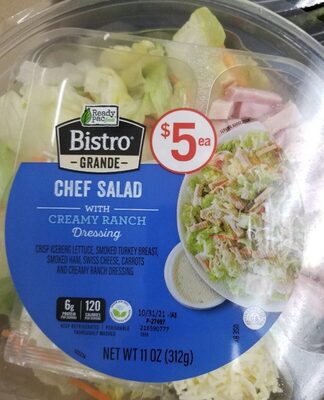
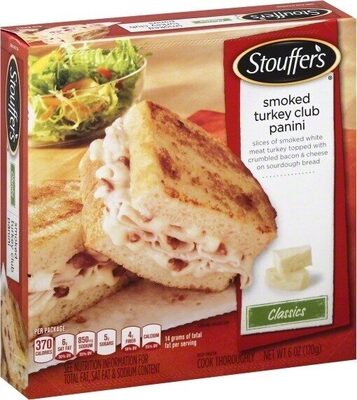
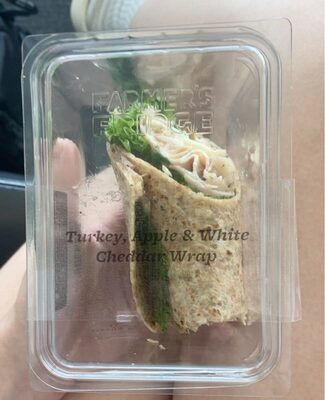
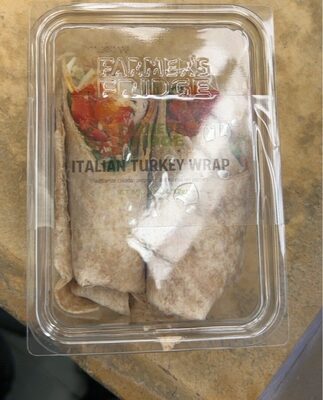
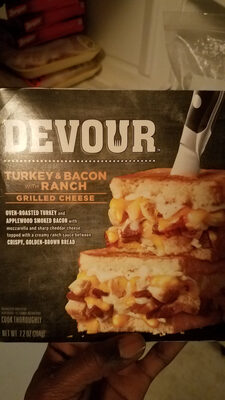
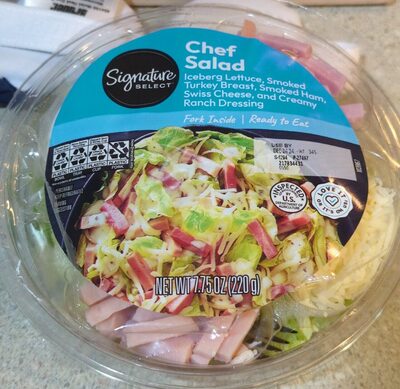
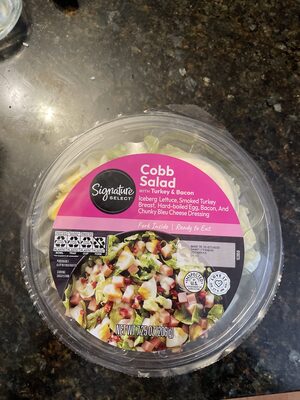
Learn more
Auto-generated content. This description was generated automatically and is pending editorial review. Inaccuracies are possible. Found a mistake? Contact us.