Smoked Turkey
What is Smoked Turkey?
Smoked turkey is a type of processed meat made from turkey, a poultry bird. It is prepared by curing turkey meat, often with salt and other ingredients, and then exposing it to smoke, which imparts a distinct flavor and helps preserve it.
Is Smoked Turkey vegan?
No. Smoked Turkey is animal-derived, so it is not vegan.
Is Smoked Turkey a major allergen?
Not a major allergen.
What is Smoked Turkey used for?
Manufacturers use smoked turkey primarily for its savory flavor and as a protein component in various prepared food items.
Is Smoked Turkey safe?
Smoked turkey is a food ingredient and not a food additive, so it does not have an FDA additive approval or GRAS status.
Why it's used
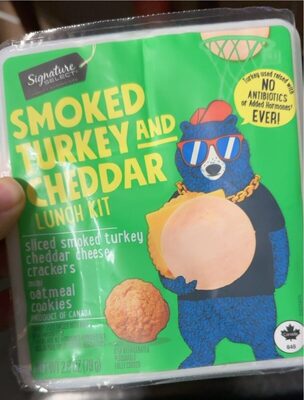
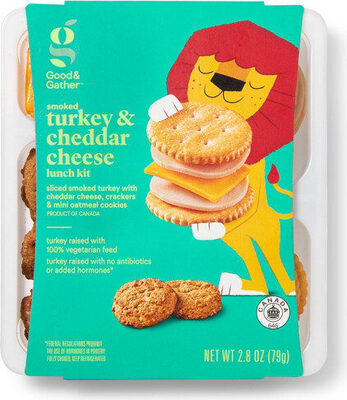
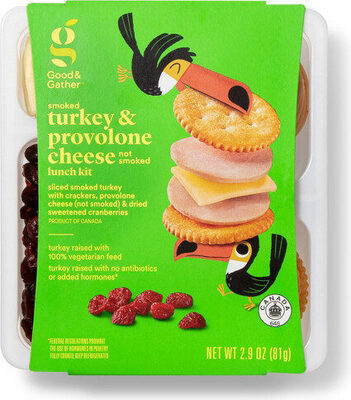
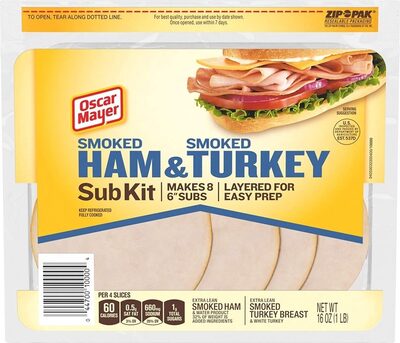
Manufacturers use smoked turkey primarily for its savory flavor and as a protein component in various prepared food items. It is commonly found in products like prepared subs, sandwiches, wraps, and lunch combinations.
Health notes
Smoked turkey is a food ingredient and not a food additive, so it does not have an FDA additive approval or GRAS status. Like other processed meats, smoked turkey can be high in sodium; the FDA Daily Value for sodium is 2,300 mg. The International Agency for Research on Cancer (IARC) classifies processed meat, including smoked turkey, as 'carcinogenic to humans' (Group 1). This classification is based on sufficient evidence that consumption of processed meat causes colorectal cancer. JECFA and EFSA typically evaluate food additives and have not evaluated smoked turkey as a food ingredient.
Allergen info
Not a major allergen.
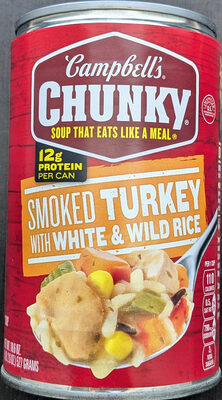
Foods that contain Smoked Turkey
Compare products →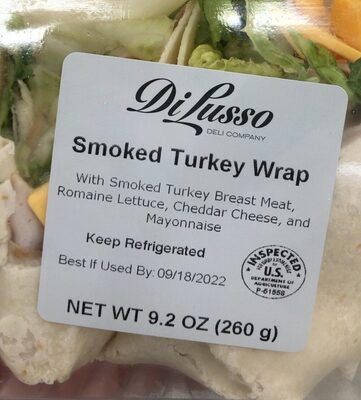
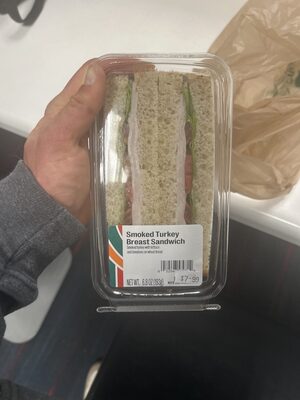
Learn more
Auto-generated content. This description was generated automatically and is pending editorial review. Inaccuracies are possible. Found a mistake? Contact us.