Sockeye
What is Sockeye?
Sockeye salmon is a species of Pacific salmon, known for its vibrant red flesh and rich flavor. It is an anadromous fish, meaning it lives in both freshwater and saltwater. Sockeye salmon are typically caught wild during their spawning runs.
Is Sockeye vegan?
No. Sockeye is animal-derived, so it is not vegan.
Is Sockeye a major allergen?
Sockeye salmon is a fish, which is one of the 9 major allergens recognized by the FDA.
What is Sockeye used for?
Sockeye salmon is primarily used as a food source, valued for its distinct taste and firm texture.
Is Sockeye safe?
Sockeye salmon is a source of high-quality protein and omega-3 fatty acids, which are beneficial for heart and brain health.
Why it's used
Sockeye salmon is primarily used as a food source, valued for its distinct taste and firm texture. It is commonly found in canned or smoked forms, and used in dishes like chowders, salads, and pasta sauces. Its rich flavor makes it a desirable ingredient for seafood-focused products.
Health notes
Sockeye salmon is a source of high-quality protein and omega-3 fatty acids, which are beneficial for heart and brain health. The FDA does not specifically regulate sockeye salmon as an additive. It is considered a whole food. Concerns about mercury levels in fish are generally low for sockeye salmon compared to larger predatory fish. Both the WHO and FDA advise consuming fish as part of a balanced diet.
Allergen info
Sockeye salmon is a fish, which is one of the 9 major allergens recognized by the FDA. Individuals with a fish allergy should avoid this ingredient.
Foods that contain Sockeye
Compare products →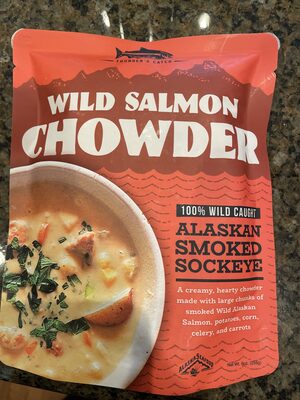
Learn more
Auto-generated content. This description was generated automatically and is pending editorial review. Inaccuracies are possible. Found a mistake? Contact us.