Solid White Tuna
What is Solid White Tuna?
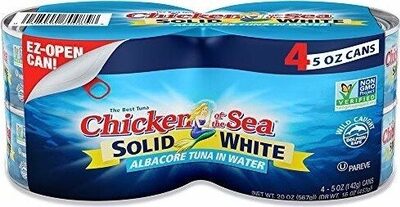
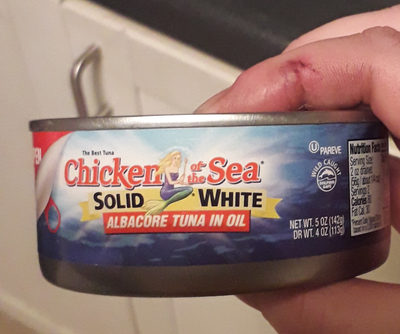
Solid white tuna is a type of tuna, most commonly albacore, packed in solid pieces. It is typically canned, with the fish being cooked and then packed into cans, often with water or oil. The canning process helps preserve the fish and maintain its texture.
Is Solid White Tuna vegan?
No. Solid White Tuna is animal-derived, so it is not vegan.
Is Solid White Tuna a major allergen?
Tuna is a fish, which is one of the 9 major allergens recognized by the FDA.
What is Solid White Tuna used for?
Solid white tuna is primarily used as a protein source in various dishes.
Is Solid White Tuna safe?
Tuna is a source of protein, omega-3 fatty acids, and vitamin D.
Why it's used
Solid white tuna is primarily used as a protein source in various dishes. Its firm texture makes it ideal for tuna salads, sandwiches, and casseroles. It is also used in deli salads and as a topping for crackers or other appetizers.
Health notes
Tuna is a source of protein, omega-3 fatty acids, and vitamin D. However, larger predatory fish like albacore tuna can accumulate mercury. The FDA advises limiting consumption of certain types of tuna for pregnant women, nursing mothers, and young children due to mercury content. Tuna is not evaluated by JECFA or EFSA as a food additive.
Allergen info
Tuna is a fish, which is one of the 9 major allergens recognized by the FDA. People with a fish allergy should avoid consuming tuna.
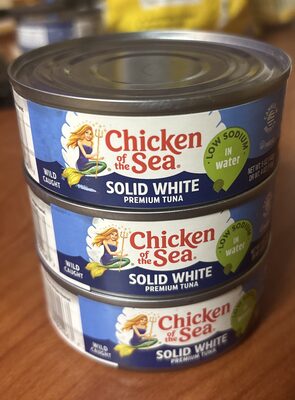
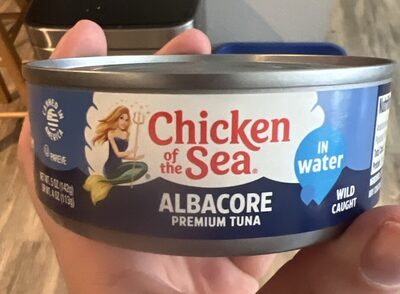
Foods that contain Solid White Tuna
Compare products →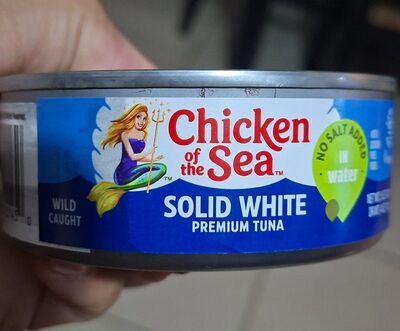

Learn more
Auto-generated content. This description was generated automatically and is pending editorial review. Inaccuracies are possible. Found a mistake? Contact us.