Sorbic Acid & Sodium Benzoate
Auto-generated content. This description was generated automatically and is pending editorial review. Inaccuracies are possible. Found a mistake? Contact us.
What it is
Sorbic acid is a naturally occurring organic compound. It is often produced industrially through chemical synthesis. Sodium benzoate is the sodium salt of benzoic acid, which is also found naturally but typically produced synthetically for food use.
Why it's used
These compounds are widely used as preservatives in foods and beverages. They work by inhibiting the growth of mold, yeast, and some bacteria, which helps extend shelf life. They are commonly found in baked goods, dairy products, beverages, and condiments.
Health notes
Both sorbic acid and sodium benzoate are approved for use in the U.S. and are generally recognized as safe (GRAS) by the FDA. International bodies like JECFA have evaluated them and established acceptable daily intake levels. While generally considered safe at typical consumption levels, some individuals may experience sensitivities or allergic reactions, though these are rare. Research on potential effects at very high doses or long-term impacts is ongoing.
Allergen info
Not a major allergen. Neither sorbic acid nor sodium benzoate are derived from any of the nine major allergens. They do not contain gluten.
Products containing Sorbic Acid & Sodium Benzoate
Compare products →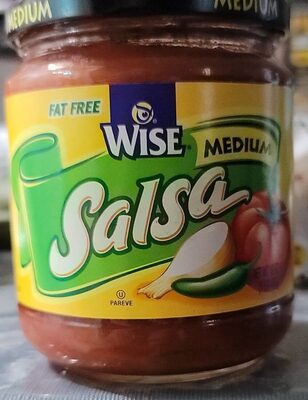 Wise Foods, Inc.
Medium Salsa
33kcal
0Protein
0Fat
10Carbs
Wise Foods, Inc.
Mild Salsa
33kcal
0Protein
0Fat
10Carbs
Wise Foods, Inc.
Medium Salsa
33kcal
0Protein
0Fat
10Carbs
Wise Foods, Inc.
Mild Salsa
33kcal
0Protein
0Fat
10Carbs