Source Of Zinc Thiamin Mononitrate
What is Source Of Zinc Thiamin Mononitrate?
Thiamin mononitrate is a synthetic form of thiamin, also known as vitamin B1. Thiamin is an essential nutrient that plays a key role in energy metabolism. It is produced through chemical synthesis.
Is Source Of Zinc Thiamin Mononitrate vegan?
Source Of Zinc Thiamin Mononitrate is not animal-derived. Products that contain it can still include other animal-derived ingredients, so check the full ingredient list.
Is Source Of Zinc Thiamin Mononitrate gluten-free?
It does not contain gluten.
Is Source Of Zinc Thiamin Mononitrate a major allergen?
Not a major allergen.
What is Source Of Zinc Thiamin Mononitrate used for?
Thiamin mononitrate is added to foods as a nutrient supplement, primarily in fortified cereals, breads, and infant formulas.
Is Source Of Zinc Thiamin Mononitrate safe?
Thiamin mononitrate is generally recognized as safe (GRAS) by the FDA when used as a nutrient.
Why it's used
Thiamin mononitrate is added to foods as a nutrient supplement, primarily in fortified cereals, breads, and infant formulas. It helps to increase the thiamin content of these products, ensuring consumers can meet their dietary needs.
Health notes
Thiamin mononitrate is generally recognized as safe (GRAS) by the FDA when used as a nutrient. Thiamin is vital for nerve function and energy production. The Joint FAO/WHO Expert Committee on Food Additives (JECFA) has evaluated thiamin and established acceptable daily intake levels. Evidence does not suggest adverse health effects from typical dietary intakes.
Allergen info
Not a major allergen. It does not contain gluten.
Foods that contain Source Of Zinc Thiamin Mononitrate
Compare products →
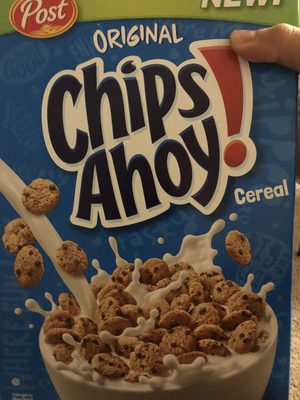
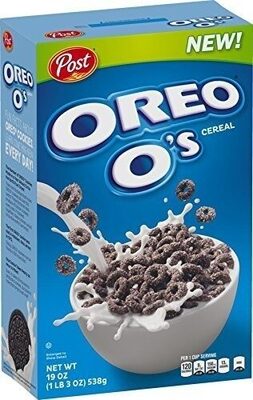
Learn more
Auto-generated content. This description was generated automatically and is pending editorial review. Inaccuracies are possible. Found a mistake? Contact us.