Soy-free Buttery Spread
Auto-generated content. This description was generated automatically and is pending editorial review. Inaccuracies are possible. Found a mistake? Contact us.
What it is
Soy-free buttery spread is a plant-based alternative to butter or margarine that does not contain soy ingredients. It is typically made from a blend of vegetable oils, such as palm, canola, or coconut oil, along with water, salt, and flavorings. Emulsifiers are often added to keep the oil and water mixed.
Why it's used
Manufacturers use soy-free buttery spread as a fat source and for its buttery flavor and texture in baked goods and other foods. It is commonly found in products like cookies, pies, cakes, and frostings where a dairy-free and soy-free option is desired.
Health notes
Soy-free buttery spreads are generally recognized as safe (GRAS) by the FDA when used as intended. The health impacts depend on the specific oils and other ingredients used in the formulation. Some vegetable oils are sources of saturated fat, while others are sources of unsaturated fats. JECFA has evaluated many of the common ingredients used in these spreads. Evidence does not suggest adverse health effects from consuming these spreads in typical amounts as part of a balanced diet.
Allergen info
This product is soy-free. Depending on the specific ingredients, it may or may not contain other major allergens like milk or tree nuts. It is not derived from wheat, so it is gluten-free.
Products containing Soy-free Buttery Spread
Compare products →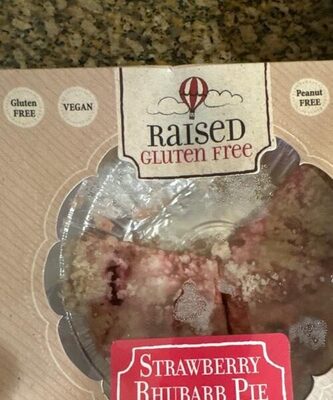 Natural Decadence
Strawberry Rhubarb Pie
271kcal
1.2Protein
11.8Fat
42.4Carbs
Natural Decadence
Pie, Chocolate Silk
High in saturated fat — 25% DV per serving
349kcal
2.3Protein
23.3Fat
34.9Carbs
Natural Decadence
Chocolate Chip Cookies, Chocolate Chip
393kcal
0Protein
21.4Fat
46.4Carbs
Natural Decadence
Lavender Shortbread, Lavender
464kcal
3.6Protein
25Fat
60.7Carbs
Target Stores
Vanilla Cake & Cookie Dough Non-Dairy Vanilla Cake Batter Flavored Frozen Dessert With Cookie Dough Pieces, Cake Pieces And A Fudge Swirl, Vanilla Cake & Cookie Dough
High in saturated fat — 35% DV per serving
High in added sugars — 54% DV per serving
248kcal
1.8Protein
11.9Fat
33.9Carbs
Natural Decadence
Strawberry Rhubarb Pie
271kcal
1.2Protein
11.8Fat
42.4Carbs
Natural Decadence
Pie, Chocolate Silk
High in saturated fat — 25% DV per serving
349kcal
2.3Protein
23.3Fat
34.9Carbs
Natural Decadence
Chocolate Chip Cookies, Chocolate Chip
393kcal
0Protein
21.4Fat
46.4Carbs
Natural Decadence
Lavender Shortbread, Lavender
464kcal
3.6Protein
25Fat
60.7Carbs
Target Stores
Vanilla Cake & Cookie Dough Non-Dairy Vanilla Cake Batter Flavored Frozen Dessert With Cookie Dough Pieces, Cake Pieces And A Fudge Swirl, Vanilla Cake & Cookie Dough
High in saturated fat — 35% DV per serving
High in added sugars — 54% DV per serving
248kcal
1.8Protein
11.9Fat
33.9Carbs