Soy Soy Lecithin
Auto-generated content. This description was generated automatically and is pending editorial review. Inaccuracies are possible. Found a mistake? Contact us.
What it is
Soy lecithin is a phospholipid mixture derived from soybeans. It is typically produced by extracting soybean oil and then processing it to isolate the lecithin component. This process often involves degumming the oil.
Why it's used
Soy lecithin is primarily used as an emulsifier, helping to blend oil and water-based ingredients smoothly. It also acts as a stabilizer and can improve texture and shelf life. It's commonly found in baked goods, chocolate, margarine, and processed snacks.
Health notes
In the U.S., soy lecithin is generally recognized as safe (GRAS) by the FDA. It is widely consumed in typical food amounts without reported adverse effects. International bodies like JECFA and EFSA have also evaluated lecithin, and it is approved for use in many regions. While soy is a major allergen, highly purified lecithin contains very little soy protein, and is often considered safe for most people with soy allergies.
Allergen info
Soy lecithin is derived from soy, which is one of the 9 FDA major allergens. However, the processing of lecithin removes most soy proteins, so it may not trigger allergic reactions in all soy-sensitive individuals.
Products containing Soy Soy Lecithin
Compare products →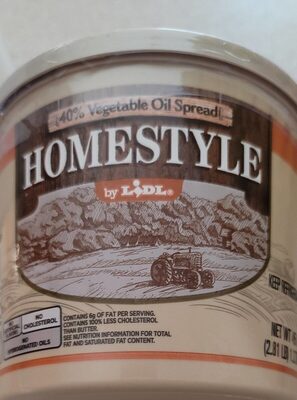 LIDL
51% Vegetable Oil Spread
429kcal
—Protein
50Fat
0Carbs
Western Family Foods, Inc.
Vegetable Oil Spread
500kcal
0Protein
57.1Fat
0Carbs
Bunge Edible Oil Corporation
58% Vegetable Oil Spread
500kcal
0Protein
57.1Fat
0Carbs
The Kroger Co.
Kroger, Buttery Spread, Original, Original
429kcal
0Protein
50Fat
0Carbs
Hickory Farms, LLC
Gourmet Select, Supreme Caramel Corn
429kcal
3.6Protein
14.3Fat
75Carbs
Tops Markets, LLC
Soft Spread, Vegetable Oil
429kcal
0Protein
50Fat
0Carbs
Robert's Garden Fresh Produce, Inc.
Coconut Pie
High in saturated fat — 25% DV per serving
353kcal
4.1Protein
15.3Fat
52.9Carbs
Wegmans Food Markets, Inc.
51% Vegetable Oil Spread
429kcal
0Protein
50Fat
0Carbs
Bunge Edible Oil Corporation
Buttery Spread
429kcal
0Protein
50Fat
0Carbs
LIDL
51% Vegetable Oil Spread
429kcal
—Protein
50Fat
0Carbs
Western Family Foods, Inc.
Vegetable Oil Spread
500kcal
0Protein
57.1Fat
0Carbs
Bunge Edible Oil Corporation
58% Vegetable Oil Spread
500kcal
0Protein
57.1Fat
0Carbs
The Kroger Co.
Kroger, Buttery Spread, Original, Original
429kcal
0Protein
50Fat
0Carbs
Hickory Farms, LLC
Gourmet Select, Supreme Caramel Corn
429kcal
3.6Protein
14.3Fat
75Carbs
Tops Markets, LLC
Soft Spread, Vegetable Oil
429kcal
0Protein
50Fat
0Carbs
Robert's Garden Fresh Produce, Inc.
Coconut Pie
High in saturated fat — 25% DV per serving
353kcal
4.1Protein
15.3Fat
52.9Carbs
Wegmans Food Markets, Inc.
51% Vegetable Oil Spread
429kcal
0Protein
50Fat
0Carbs
Bunge Edible Oil Corporation
Buttery Spread
429kcal
0Protein
50Fat
0Carbs
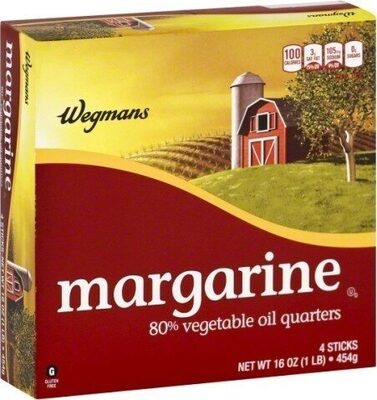 Wegmans Food Markets, Inc.
Margarine
714kcal
0Protein
78.6Fat
0Carbs
Bunge Edible Oil Corporation
Spread
357kcal
0Protein
35.7Fat
0Carbs
The Kroger Co.
39% Vegetable Oil Spread, Buttery
357kcal
0Protein
35.7Fat
0Carbs
Wegmans Food Markets, Inc.
Margarine
714kcal
0Protein
78.6Fat
0Carbs
Bunge Edible Oil Corporation
Spread
357kcal
0Protein
35.7Fat
0Carbs
The Kroger Co.
39% Vegetable Oil Spread, Buttery
357kcal
0Protein
35.7Fat
0Carbs