Sugar Distilled Vinegar
Auto-generated content. This description was generated automatically and is pending editorial review. Inaccuracies are possible. Found a mistake? Contact us.
What it is
Distilled vinegar is a clear, colorless liquid made by fermenting ethanol (alcohol) derived from various sources, such as grains or sugar. The process involves two stages: first, bacteria convert sugars into alcohol, and then other bacteria convert the alcohol into acetic acid, the main component of vinegar. The resulting liquid is then distilled to purify it and remove any color or flavor from the original source.
Why it's used
Distilled vinegar is primarily used as a flavor enhancer and preservative. Its sharp, acidic taste brightens flavors in a wide range of foods. Manufacturers add it to ketchup, mustard, barbecue sauces, marinades, salad dressings, and pickled vegetables to provide tanginess and extend shelf life.
Health notes
Distilled vinegar is generally recognized as safe (GRAS) by the FDA for use in food. It is a common ingredient in many foods and is not associated with significant health concerns when consumed in typical amounts. International bodies like JECFA have evaluated vinegar and its components. Evidence does not suggest adverse health effects from its use as a food ingredient.
Allergen info
Distilled vinegar is not derived from any of the 9 FDA major allergens and does not contain gluten. Not a major allergen.
Products containing Sugar Distilled Vinegar
Compare products →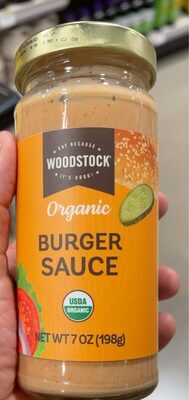 United Natural Foods, Inc.
Burger Organic Sauce, Burger
344kcal
0Protein
28.1Fat
21.9Carbs
United Natural Foods, Inc.
Burger Organic Sauce, Burger
344kcal
0Protein
28.1Fat
21.9Carbs
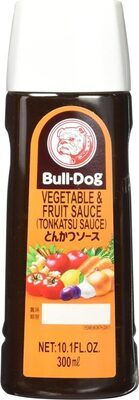 Bull-Dog Sauce Co., Ltd.
Vegetable & Fruit Tonkatsu Sauce, Vegetable & Fruit Tonkatsu
167kcal
0Protein
0Fat
40Carbs
Bull-Dog Sauce Co., Ltd.
Vegetable & Fruit Tonkatsu Sauce, Vegetable & Fruit Tonkatsu
167kcal
0Protein
0Fat
40Carbs