Sunflower Canola Oil
What is Sunflower Canola Oil?
Sunflower canola oil is a blend of oils derived from sunflowers and rapeseed (canola) plants. Both oils are extracted from the seeds of these plants. The blend is used to achieve specific flavor and performance characteristics in food products.
Is Sunflower Canola Oil vegan?
Sunflower Canola Oil is not animal-derived. Products that contain it can still include other animal-derived ingredients, so check the full ingredient list.
Is Sunflower Canola Oil gluten-free?
It does not contain gluten.
Is Sunflower Canola Oil a major allergen?
Sunflower canola oil is not derived from any of the nine major allergens recognized by the FDA.
What is Sunflower Canola Oil used for?
This oil blend is often used in baked goods and snacks for its neutral flavor and desirable cooking properties.
Is Sunflower Canola Oil safe?
Sunflower canola oil is generally recognized as safe (GRAS) by the FDA for use in food.
Why it's used
This oil blend is often used in baked goods and snacks for its neutral flavor and desirable cooking properties. It can serve as a cooking oil, a base for dressings, or an ingredient in processed foods like crackers and chips.
Health notes
Sunflower canola oil is generally recognized as safe (GRAS) by the FDA for use in food. It is a source of monounsaturated and polyunsaturated fats, including omega-6 and omega-3 fatty acids. Regulatory bodies like JECFA and EFSA have evaluated oils and fats, but specific evaluations for this blend may vary. Evidence on the health effects of dietary fats is ongoing and complex.
Allergen info
Sunflower canola oil is not derived from any of the nine major allergens recognized by the FDA. It does not contain gluten.
Foods that contain Sunflower Canola Oil
Compare products →
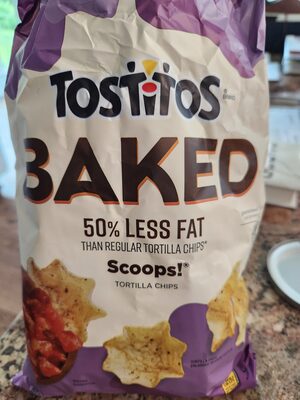
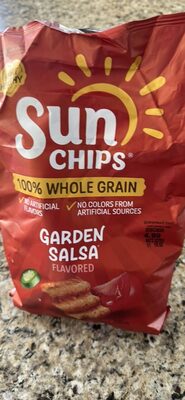
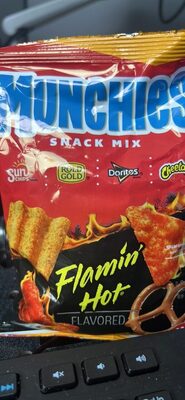
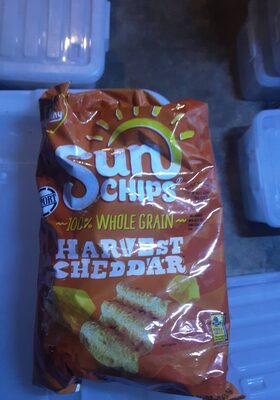
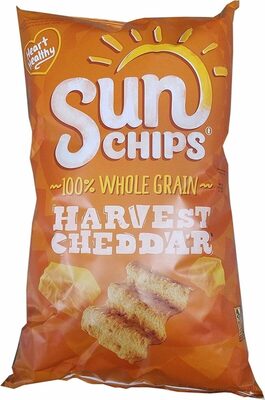
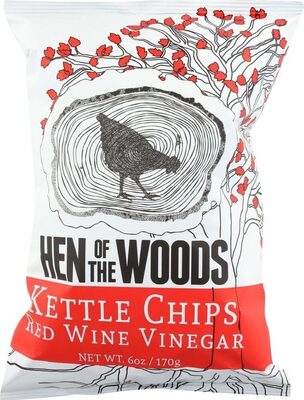
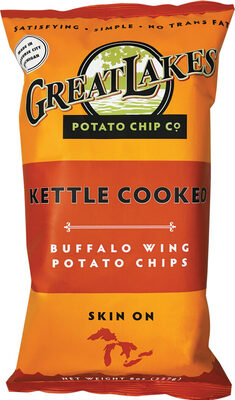 Great Lakes Potato Chip
Kettle Cooked Buffalo Wing Potato Chips
536kcal
7.1Protein
35.7Fat
53.6Carbs
Learn more
Auto-generated content. This description was generated automatically and is pending editorial review. Inaccuracies are possible. Found a mistake? Contact us.