Sunflower Oil & Extra Virgin Olive Oil
Auto-generated content. This description was generated automatically and is pending editorial review. Inaccuracies are possible. Found a mistake? Contact us.
What it is
Sunflower oil is extracted from sunflower seeds, and extra virgin olive oil is pressed from olives. Both are common cooking oils. Sunflower oil is typically refined, bleached, and deodorized, while extra virgin olive oil is unrefined and retains more of the olive's natural flavor and nutrients.
Why it's used
These oils are used as cooking mediums, for dressings, and to add flavor and texture to foods. Manufacturers use them in a wide variety of products, including salads, marinades, and baked goods. Their liquid state at room temperature makes them versatile for many applications.
Health notes
Both sunflower oil and extra virgin olive oil are generally recognized as safe (GRAS) by the FDA for use in food. They are sources of healthy fats, particularly monounsaturated and polyunsaturated fats. The World Health Organization (WHO) has not set a specific limit for dietary intake of these oils, but recommends limiting saturated and trans fats. Evidence suggests that consuming unsaturated fats in place of saturated fats can be beneficial for heart health.
Allergen info
Neither sunflower oil nor extra virgin olive oil are derived from the 9 FDA major allergens. They do not contain gluten.
Products containing Sunflower Oil & Extra Virgin Olive Oil
Compare products →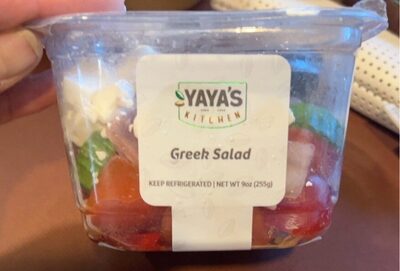 Good For Life Ministries
Greek Salad, Greek
141kcal
1.2Protein
12.9Fat
5.9Carbs
Good For Life Ministries
Smoked Mozzarella Pasta Salad, Smoked Mozzarella Pasta
High in sodium — 22% DV per serving
553kcal
14.1Protein
31.8Fat
49.4Carbs
Good For Life Ministries
Greek Salad, Greek
141kcal
1.2Protein
12.9Fat
5.9Carbs
Good For Life Ministries
Smoked Mozzarella Pasta Salad, Smoked Mozzarella Pasta
High in sodium — 22% DV per serving
553kcal
14.1Protein
31.8Fat
49.4Carbs