Sunflower Or Soybean Oil
Auto-generated content. This description was generated automatically and is pending editorial review. Inaccuracies are possible. Found a mistake? Contact us.
What it is
Sunflower and soybean oils are common cooking oils made from pressing sunflower seeds or soybeans. They are refined to remove impurities and then often bleached and deodorized. These processes create a neutral-tasting oil suitable for a wide range of food applications.
Why it's used
These oils are used as cooking mediums, to add moisture, and to improve texture in many processed foods. Manufacturers add them to baked goods, snacks, dressings, and fried products. Their neutral flavor makes them versatile ingredients that don't overpower other tastes.
Health notes
Sunflower and soybean oils are generally recognized as safe (GRAS) by the FDA for use in food. They are a source of polyunsaturated and monounsaturated fats, which are considered healthy fats when consumed in moderation as part of a balanced diet. Regulatory bodies like JECFA and EFSA have evaluated these oils. While generally considered safe, some discussions exist regarding the ratio of omega-6 to omega-3 fatty acids in some diets, which can be influenced by the amount of soybean oil consumed.
Allergen info
Soybean oil is derived from soybeans, which are one of the 9 FDA major allergens. However, highly refined soybean oil is often considered hypoallergenic, though some individuals with severe soy allergies may still react. Sunflower oil is not derived from any of the 9 major allergens.
Products containing Sunflower Or Soybean Oil
Compare products →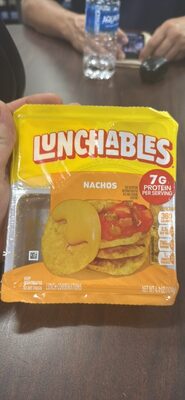 Kraft Heinz Foods Company
Lunchables, Nachos Cheese Dip & Salsa
High in sodium — 37% DV per serving
290kcal
4.8Protein
15.3Fat
33.1Carbs
Hy-Vee, Inc.
White Corn Bite Size Tostados Round Tortilla Chips, White Corn
500kcal
7.1Protein
25Fat
67.9Carbs
Hy-Vee, Inc.
Hy-Vee, Fire Krunch-Eze, Cheese, Cheese
536kcal
3.6Protein
35.7Fat
46.4Carbs
Casa Imports Inc.
Quartered & Marinated
82kcal
2.4Protein
5.9Fat
5.9Carbs
Hy-Vee, Inc.
Blue Corn Tortilla Chips, Blue Corn
500kcal
7.1Protein
28.6Fat
57.1Carbs
Hy-Vee, Inc.
Holiday Tortilla Chips
500kcal
7.1Protein
25Fat
57.1Carbs
Hy-Vee, Inc.
Cheese Balls, Cheese
536kcal
3.6Protein
35.7Fat
50Carbs
Kraft Heinz Foods Company
Lunchables, Nachos Cheese Dip & Salsa
High in sodium — 37% DV per serving
290kcal
4.8Protein
15.3Fat
33.1Carbs
Hy-Vee, Inc.
White Corn Bite Size Tostados Round Tortilla Chips, White Corn
500kcal
7.1Protein
25Fat
67.9Carbs
Hy-Vee, Inc.
Hy-Vee, Fire Krunch-Eze, Cheese, Cheese
536kcal
3.6Protein
35.7Fat
46.4Carbs
Casa Imports Inc.
Quartered & Marinated
82kcal
2.4Protein
5.9Fat
5.9Carbs
Hy-Vee, Inc.
Blue Corn Tortilla Chips, Blue Corn
500kcal
7.1Protein
28.6Fat
57.1Carbs
Hy-Vee, Inc.
Holiday Tortilla Chips
500kcal
7.1Protein
25Fat
57.1Carbs
Hy-Vee, Inc.
Cheese Balls, Cheese
536kcal
3.6Protein
35.7Fat
50Carbs
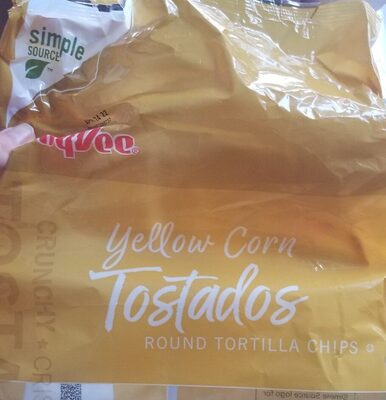 Hy-Vee, Inc.
Yellow Corn Tostados Round Tortilla Chips, Yellow Corn
500kcal
7.1Protein
25Fat
67.9Carbs
Hy-Vee, Inc.
Yellow Corn Tostados Round Tortilla Chips, Yellow Corn
500kcal
7.1Protein
25Fat
67.9Carbs