Sunflower Seeds Oil
Auto-generated content. This description was generated automatically and is pending editorial review. Inaccuracies are possible. Found a mistake? Contact us.
What it is
Sunflower seed oil is a vegetable oil extracted from the seeds of the sunflower plant. It is produced by pressing the seeds to release their oil, which is then often refined to remove impurities and improve shelf life. It is a common cooking oil used in many food products.
Why it's used
Manufacturers use sunflower seed oil as a cooking oil and a source of fat in processed foods. Its neutral flavor and high smoke point make it versatile for baking, frying, and as an ingredient in dressings and sauces. It is often found in salad dressings, baked goods, and savory snacks.
Health notes
Sunflower seed oil is generally recognized as safe (GRAS) by the FDA for use in food. It is a source of polyunsaturated and monounsaturated fats, which are considered healthy fats when consumed in moderation as part of a balanced diet. The Joint FAO/WHO Expert Committee on Food Additives (JECFA) has evaluated sunflower seed oil. Evidence does not suggest adverse health effects from typical dietary intake.
Allergen info
Sunflower seeds are not one of the nine major allergens identified by the FDA. Sunflower seed oil is not derived from any of the major allergens and does not contain gluten.
Products containing Sunflower Seeds Oil
Compare products →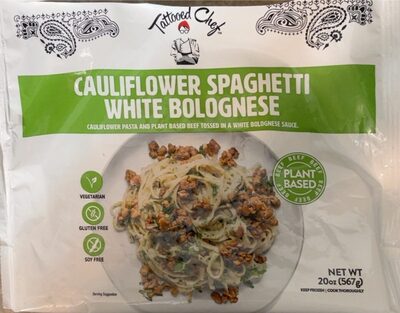 Ittella International, Inc.
Cauliflower Spaghetti White Bolognese Cauliflower Pasta And Plant Based Beef Tossed In A White Bolognese Sauce, Cauliflower Spaghetti White Bolognese
164kcal
5Protein
7.1Fat
20Carbs
Rouse's Enterprises, Inc.
Mini Cannoli
318kcal
6.8Protein
13.6Fat
38.6Carbs
J.J. Tal Limited
Italian Basil Pesto
500kcal
7.5Protein
50Fat
7.5Carbs
Wakefern Food Corporation
Classic Pesto Sauce With Basilico Genovese Dop, Classic
High in sodium — 43% DV per serving
High in saturated fat — 20% DV per serving
567kcal
10Protein
55Fat
8.3Carbs
Ittella International, Inc.
Cauliflower Spaghetti White Bolognese Cauliflower Pasta And Plant Based Beef Tossed In A White Bolognese Sauce, Cauliflower Spaghetti White Bolognese
164kcal
5Protein
7.1Fat
20Carbs
Rouse's Enterprises, Inc.
Mini Cannoli
318kcal
6.8Protein
13.6Fat
38.6Carbs
J.J. Tal Limited
Italian Basil Pesto
500kcal
7.5Protein
50Fat
7.5Carbs
Wakefern Food Corporation
Classic Pesto Sauce With Basilico Genovese Dop, Classic
High in sodium — 43% DV per serving
High in saturated fat — 20% DV per serving
567kcal
10Protein
55Fat
8.3Carbs