Surimi Fish Protein
Auto-generated content. This description was generated automatically and is pending editorial review. Inaccuracies are possible. Found a mistake? Contact us.
What it is
Surimi is a processed seafood product made from white fish, such as pollock. The fish is deboned, minced, and then washed to remove fat and undesirable flavors. The resulting protein paste is often mixed with sugar, salt, and other ingredients to help preserve it and give it a specific texture.
Why it's used
Surimi is used to imitate the texture and flavor of more expensive shellfish like crab, lobster, or shrimp. It is often found in imitation crab sticks, seafood salads, and as a binder or texturizer in other processed foods. Manufacturers add it to provide a desirable chewy texture and a mild seafood flavor.
Health notes
In the U.S., surimi is generally recognized as safe (GRAS) by the FDA when used as a food ingredient. It is a source of protein and other nutrients found in fish. International bodies like JECFA have evaluated similar fish protein products. Evidence does not suggest adverse health effects from typical consumption of surimi.
Allergen info
Surimi is derived from fish, which is one of the nine FDA major allergens. It is not a source of gluten.
Products containing Surimi Fish Protein
Compare products →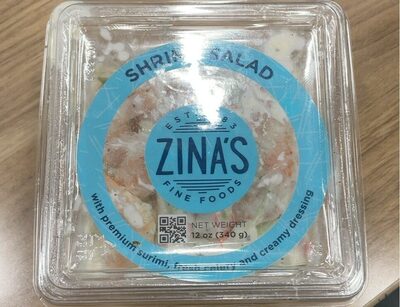 Zina's Salads
Shrimp Salad
195kcal
12.4Protein
13.3Fat
6.2Carbs
Inland Market Premium Foods
Blue Crab Spread, Blue Crab
227kcal
9.1Protein
14.6Fat
14.6Carbs
Zina's Salads
Zina's Salads Shrimp Salad, 8 Oz
High in cholesterol — 37% DV per serving
195kcal
12.4Protein
13.3Fat
6.2Carbs
Zina's Salads
Shrimp Salad
195kcal
12.4Protein
13.3Fat
6.2Carbs
Inland Market Premium Foods
Blue Crab Spread, Blue Crab
227kcal
9.1Protein
14.6Fat
14.6Carbs
Zina's Salads
Zina's Salads Shrimp Salad, 8 Oz
High in cholesterol — 37% DV per serving
195kcal
12.4Protein
13.3Fat
6.2Carbs
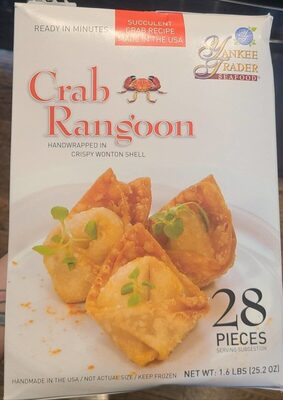 Yankee Trader Seafood Ltd.
Yankee Trader Seafood Crab Rangoon, 28 Count, 1.6 Lbs
255kcal
7.8Protein
5.9Fat
17.6Carbs
Yankee Trader Seafood Ltd.
Yankee Trader Seafood Crab Rangoon, 28 Count, 1.6 Lbs
255kcal
7.8Protein
5.9Fat
17.6Carbs