Tamarind
What is Tamarind?
Tamarind is the fruit of the tamarind tree (Tamarindus indica), a leguminous tree native to tropical Africa. The fruit grows in pods containing a sweet and sour pulp, which is the part commonly used in food. The pulp is typically extracted from ripe pods and can be sold as a paste, concentrate, or dried block.
Is Tamarind vegan?
Tamarind is not animal-derived. Products that contain it can still include other animal-derived ingredients, so check the full ingredient list.
Is Tamarind a major allergen?
Not a major allergen.
What is Tamarind used for?
Manufacturers add tamarind for its distinctive sweet-sour and tangy flavor, which enhances a wide range of dishes.
Is Tamarind safe?
Tamarind pulp is generally recognized as safe (GRAS) by the U.S. Food and Drug Administration (FDA) for use in food.
Why it's used
Manufacturers add tamarind for its distinctive sweet-sour and tangy flavor, which enhances a wide range of dishes. It is a key ingredient in many sauces, chutneys, curries, and beverages, providing a unique tartness. Tamarind can also act as a natural thickener due to its pectin content.
Health notes
Tamarind pulp is generally recognized as safe (GRAS) by the U.S. Food and Drug Administration (FDA) for use in food. It is a common food ingredient and is generally considered safe for consumption at typical dietary levels. As a whole food ingredient, tamarind pulp is not typically evaluated as a food additive by bodies like the Joint FAO/WHO Expert Committee on Food Additives (JECFA) or the European Food Safety Authority (EFSA).
Allergen info
Not a major allergen.
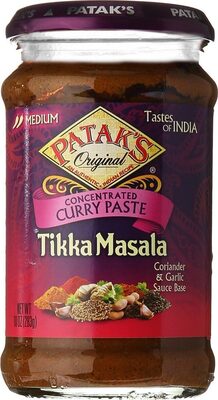
Foods that contain Tamarind
Compare products →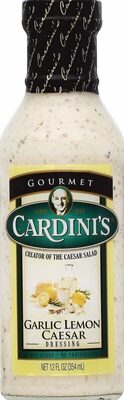
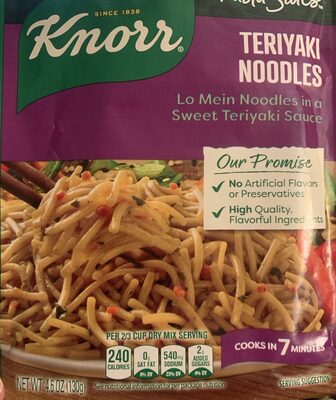
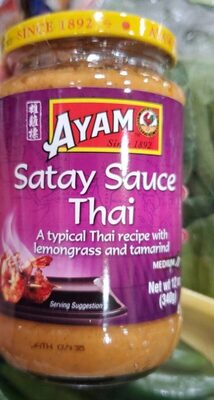

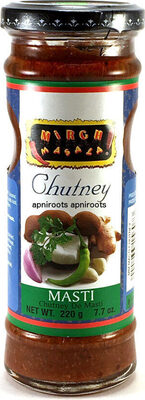













Auto-generated content. This description was generated automatically and is pending editorial review. Inaccuracies are possible. Found a mistake? Contact us.