Texture Vegetable Protein
What is Texture Vegetable Protein?
Texture vegetable protein (TVP) is a dehydrated product made from defatted soy flour. Soybeans are cooked, pressed to remove most of the oil, and then dried and processed into granules, flakes, or chunks.
Is Texture Vegetable Protein vegan?
Texture Vegetable Protein is not animal-derived. Products that contain it can still include other animal-derived ingredients, so check the full ingredient list.
Is Texture Vegetable Protein gluten-free?
It does not contain gluten.
Is Texture Vegetable Protein a major allergen?
TVP is derived from soy, which is one of the FDA's nine major allergens.
What is Texture Vegetable Protein used for?
TVP is used as a meat substitute due to its chewy texture and ability to absorb flavors.
Is Texture Vegetable Protein safe?
TVP is generally recognized as safe (GRAS) by the FDA.
Why it's used
TVP is used as a meat substitute due to its chewy texture and ability to absorb flavors. Manufacturers add it to vegetarian and vegan products like burgers, sausages, and chili, as well as in some meat products to extend them or reduce fat content.
Health notes
TVP is generally recognized as safe (GRAS) by the FDA. It is a good source of protein and fiber. The Joint FAO/WHO Expert Committee on Food Additives (JECFA) has evaluated TVP and established an acceptable daily intake.
Allergen info
TVP is derived from soy, which is one of the FDA's nine major allergens. It does not contain gluten.
Foods that contain Texture Vegetable Protein
Compare products →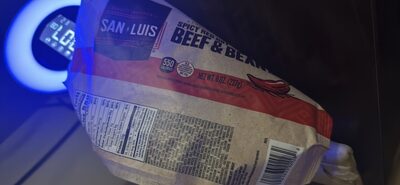
Learn more
Auto-generated content. This description was generated automatically and is pending editorial review. Inaccuracies are possible. Found a mistake? Contact us.