Thiamine Riboflavin
Auto-generated content. This description was generated automatically and is pending editorial review. Inaccuracies are possible. Found a mistake? Contact us.
What it is
Thiamine and riboflavin are both B vitamins, essential nutrients naturally found in many foods. They are typically produced through chemical synthesis or fermentation processes for use as food additives. Thiamine is also known as vitamin B1, and riboflavin as vitamin B2.
Why it's used
These vitamins are added to foods to increase their nutritional value, a process called fortification. They are commonly found in enriched grain products like bread, pasta, and cereals, as well as in some dairy products and beverages. Manufacturers add them to help consumers meet their daily vitamin requirements.
Health notes
Thiamine and riboflavin are essential for energy metabolism and are considered safe when consumed at typical dietary levels. The FDA recognizes them as Generally Recognized As Safe (GRAS) when used as nutrients. Both vitamins have been evaluated by international bodies like JECFA and EFSA, which have assessed their safety. Evidence does not suggest adverse health effects from typical intakes from fortified foods.
Allergen info
Thiamine and riboflavin are not derived from any of the nine FDA major allergens. They do not contain gluten.
Products containing Thiamine Riboflavin
Compare products →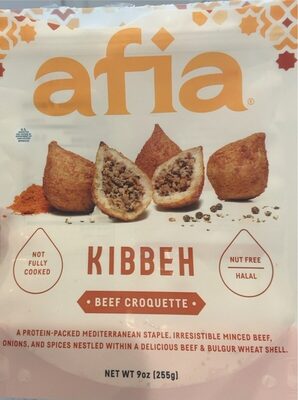 Afia LLC DBA Afia Foods
Kibbeh Beef Croquette A Mediterranean Classic. Irresistible Minced Beef, Onions And Spices With A Crusty Bulgur Wheat Shell., Beef Croquette
219kcal
12.5Protein
9.4Fat
20.3Carbs
Wal-Mart Stores, Inc.
Berry Crumble Pie, Berry Crumble
High in saturated fat — 40% DV per serving
High in added sugars — 62% DV per serving
338kcal
2.9Protein
16.2Fat
46.3Carbs
Taylor Fresh Foods, Inc.
Egg Salad Croissant, Egg
High in saturated fat — 50% DV per serving
High in cholesterol — 80% DV per serving
247kcal
7.9Protein
13.2Fat
23.7Carbs
Roth Industries, LLC
Blackened Chicken Alfredo With Pasta, Blackened Chicken Alfredo,
174kcal
8.5Protein
8.2Fat
15.3Carbs
Afia LLC DBA Afia Foods
Kibbeh Beef Croquette A Mediterranean Classic. Irresistible Minced Beef, Onions And Spices With A Crusty Bulgur Wheat Shell., Beef Croquette
219kcal
12.5Protein
9.4Fat
20.3Carbs
Wal-Mart Stores, Inc.
Berry Crumble Pie, Berry Crumble
High in saturated fat — 40% DV per serving
High in added sugars — 62% DV per serving
338kcal
2.9Protein
16.2Fat
46.3Carbs
Taylor Fresh Foods, Inc.
Egg Salad Croissant, Egg
High in saturated fat — 50% DV per serving
High in cholesterol — 80% DV per serving
247kcal
7.9Protein
13.2Fat
23.7Carbs
Roth Industries, LLC
Blackened Chicken Alfredo With Pasta, Blackened Chicken Alfredo,
174kcal
8.5Protein
8.2Fat
15.3Carbs