Thiaminmononitrate
What is Thiaminmononitrate?
Thiaminmononitrate is a synthetic form of thiamin, also known as vitamin B1. It is a white crystalline powder that is odorless and has a slightly bitter taste. It is often produced through chemical synthesis.
Is Thiaminmononitrate vegan?
Thiaminmononitrate is not animal-derived. Products that contain it can still include other animal-derived ingredients, so check the full ingredient list.
Is Thiaminmononitrate gluten-free?
It does not contain gluten.
Is Thiaminmononitrate a major allergen?
Thiaminmononitrate is not derived from any of the nine FDA major allergens.
What is Thiaminmononitrate used for?
Thiaminmononitrate is primarily used as a nutrient supplement to fortify foods, especially grain products like bread and pasta.
Is Thiaminmononitrate safe?
In the U.S., thiaminmononitrate is generally recognized as safe (GRAS) by the FDA when used as a nutrient supplement.
Why it's used
Thiaminmononitrate is primarily used as a nutrient supplement to fortify foods, especially grain products like bread and pasta. It helps to restore thiamin lost during processing and ensures the final product contributes to adequate dietary intake of this essential vitamin.
Health notes
In the U.S., thiaminmononitrate is generally recognized as safe (GRAS) by the FDA when used as a nutrient supplement. It is an essential vitamin that plays a key role in energy metabolism. International bodies like JECFA and EFSA have evaluated thiamin and its derivatives, noting their essentiality. There are no widespread controversies regarding its use at typical dietary levels.
Allergen info
Thiaminmononitrate is not derived from any of the nine FDA major allergens. It does not contain gluten.
Foods that contain Thiaminmononitrate
Compare products →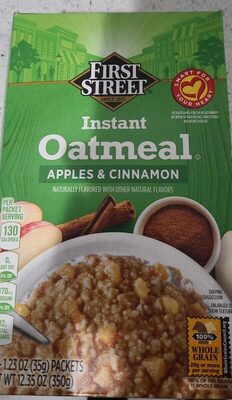
Learn more
Auto-generated content. This description was generated automatically and is pending editorial review. Inaccuracies are possible. Found a mistake? Contact us.