Toasted Barley
What is Toasted Barley?
Toasted barley is a grain that has been roasted. Roasting barley changes its flavor and aroma, giving it a nutty, toasted taste. It is often used to add depth and complexity to food products.
Is Toasted Barley vegan?
Toasted Barley is not animal-derived. Products that contain it can still include other animal-derived ingredients, so check the full ingredient list.
Is Toasted Barley gluten-free?
Barley contains gluten, a protein that can cause adverse reactions in individuals with celiac disease or gluten sensitivity.
What is Toasted Barley used for?
Manufacturers add toasted barley for its unique flavor and aroma, which can enhance savory dishes.
Is Toasted Barley safe?
Toasted barley is generally recognized as safe (GRAS) by the FDA when used as a food ingredient.
Why it's used
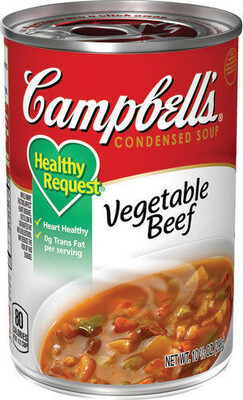
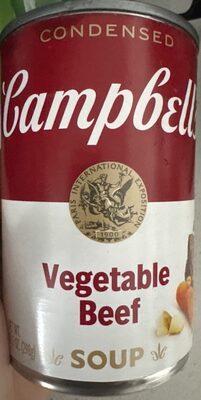
Manufacturers add toasted barley for its unique flavor and aroma, which can enhance savory dishes. It is commonly found in soups, particularly canned and condensed varieties, where it contributes a hearty, roasted note.
Health notes
Toasted barley is generally recognized as safe (GRAS) by the FDA when used as a food ingredient. It is a source of dietary fiber and other nutrients. International bodies like JECFA have evaluated barley and its components, generally finding them safe for consumption. There are no widespread controversies regarding its use at typical intake levels.
Allergen info
Barley contains gluten, a protein that can cause adverse reactions in individuals with celiac disease or gluten sensitivity. It is not one of the nine major allergens listed by the FDA.
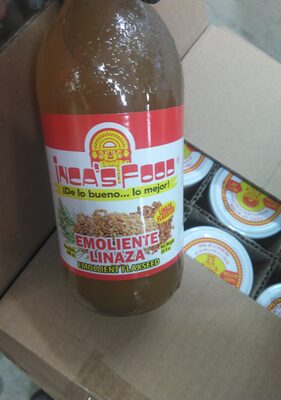
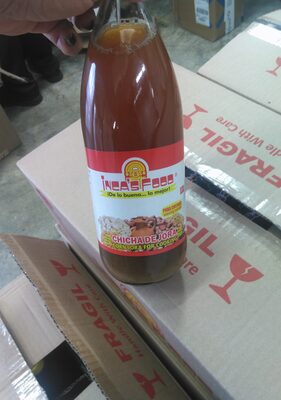
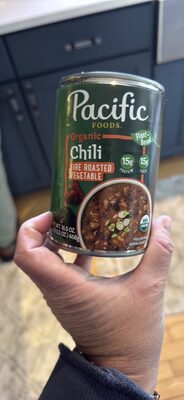
Foods that contain Toasted Barley
Compare products →


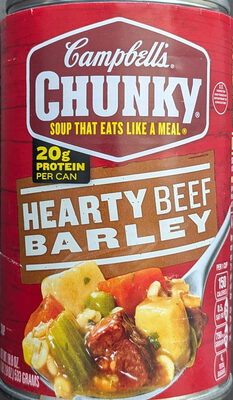

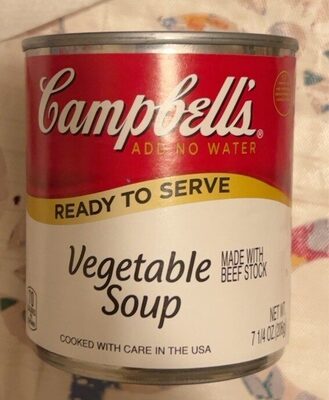
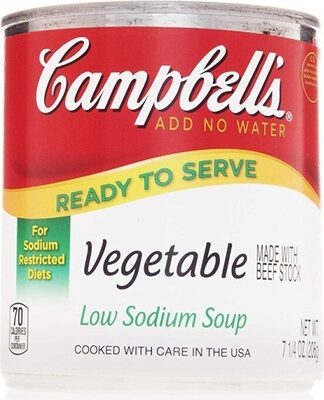
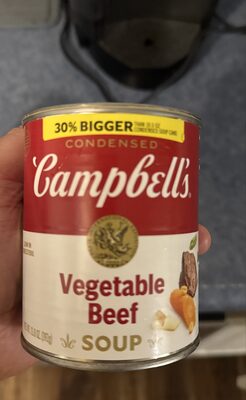

Learn more
Auto-generated content. This description was generated automatically and is pending editorial review. Inaccuracies are possible. Found a mistake? Contact us.