Treated With Hydrated Lime
What is Treated With Hydrated Lime?
Hydrated lime, also known as calcium hydroxide, is a white powder made by reacting calcium oxide (quicklime) with water. It is a mineral compound that is commonly used in food processing. It is a key ingredient in the nixtamalization process for corn.
Is Treated With Hydrated Lime vegan?
Treated With Hydrated Lime is not animal-derived. Products that contain it can still include other animal-derived ingredients, so check the full ingredient list.
Is Treated With Hydrated Lime gluten-free?
It is a mineral and does not contain gluten.
Is Treated With Hydrated Lime a major allergen?
Not a major allergen.
What is Treated With Hydrated Lime used for?
Hydrated lime is used in the nixtamalization of corn, a process that makes corn easier to grind, improves its nutritional value, and enhances its flavor and aroma.
Is Treated With Hydrated Lime safe?
Calcium hydroxide is Generally Recognized As Safe (GRAS) by the FDA for use in food.
Why it's used
Hydrated lime is used in the nixtamalization of corn, a process that makes corn easier to grind, improves its nutritional value, and enhances its flavor and aroma. This process is essential for making tortillas, tortilla chips, and masa. It can also be used as an acidity regulator and firming agent in some processed foods.
Health notes
Calcium hydroxide is Generally Recognized As Safe (GRAS) by the FDA for use in food. It is a source of calcium. JECFA has evaluated calcium hydroxide and established an acceptable daily intake. EFSA has also evaluated it. Consuming foods made with nixtamalized corn is common and considered safe.
Allergen info
Not a major allergen. It is a mineral and does not contain gluten.
Foods that contain Treated With Hydrated Lime
Compare products →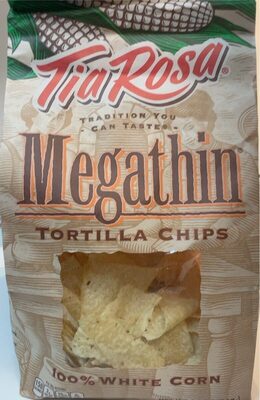
Auto-generated content. This description was generated automatically and is pending editorial review. Inaccuracies are possible. Found a mistake? Contact us.