Lard
What is Lard?
Lard is a semi-solid white fat derived from the fatty tissues of pigs. It is rendered by heating the fat, which melts and separates from the solid tissues. The liquid fat is then clarified and cooled.
Is Lard vegan?
No. Lard is animal-derived, so it is not vegan.
Is Lard gluten-free?
It does not contain gluten.
Is Lard a major allergen?
Lard is not derived from any of the nine FDA major allergens.
What is Lard used for?
Lard is used in baking and cooking for its flavor and texture-enhancing properties.
Is Lard safe?
In the US, lard is generally recognized as safe (GRAS) by the FDA.
Why it's used
Lard is used in baking and cooking for its flavor and texture-enhancing properties. It acts as a shortening, creating flaky pastries and tender baked goods. It is also used in frying and as a base for savory dishes.
Health notes
In the US, lard is generally recognized as safe (GRAS) by the FDA. It is primarily a source of fat, including saturated and monounsaturated fats. While high intake of saturated fat is linked to increased risk of heart disease, lard is consumed in moderation as part of a balanced diet. JECFA has evaluated lard and did not specify an ADI. Some older studies suggested a link between lard consumption and health issues, but current research focuses on overall dietary patterns rather than single ingredients.
Allergen info
Lard is not derived from any of the nine FDA major allergens. It does not contain gluten.
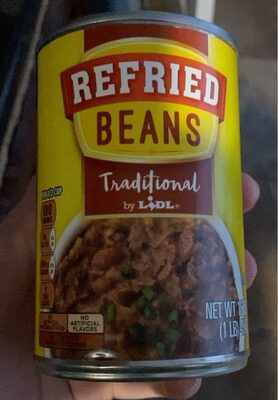
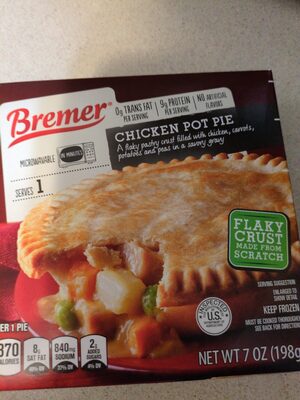
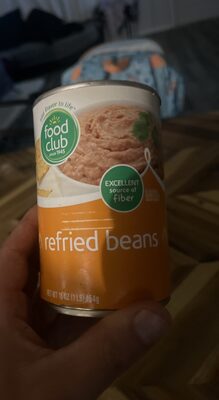
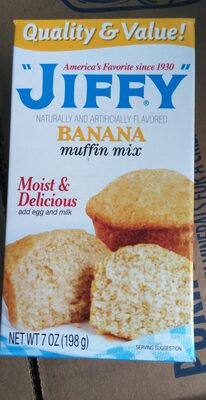
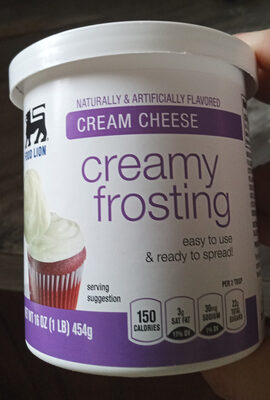
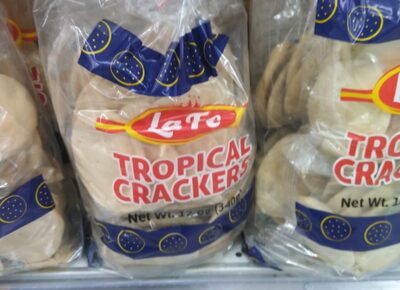
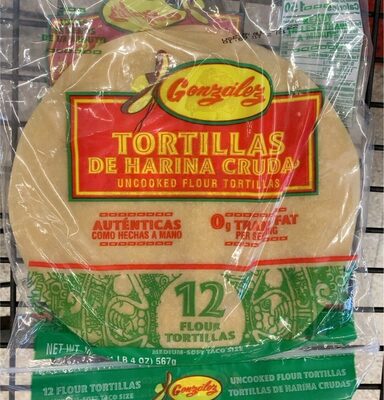
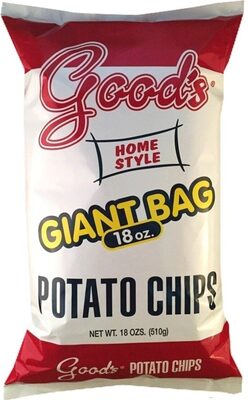
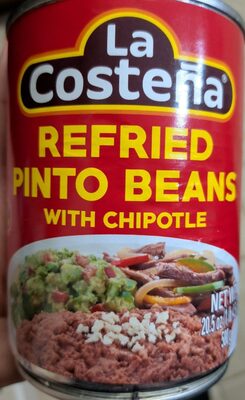
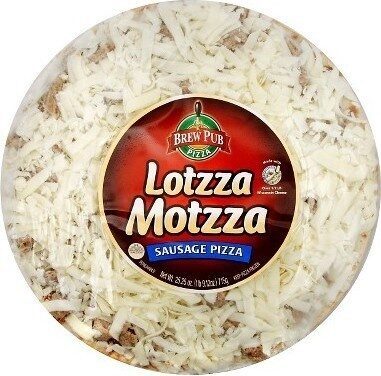
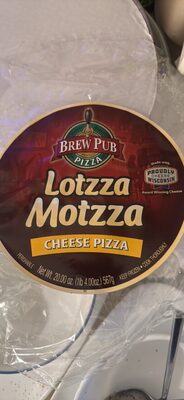
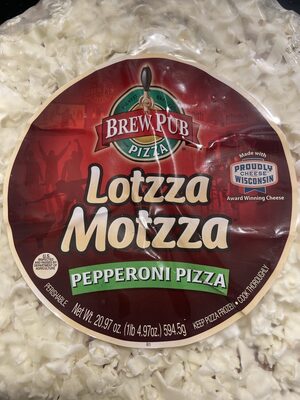
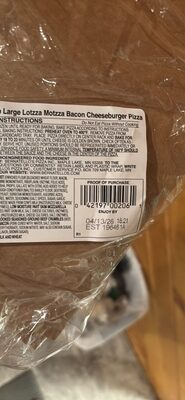
Foods that contain Lard
Compare products →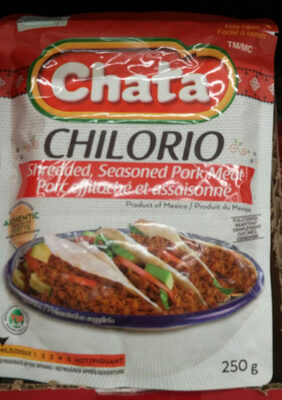
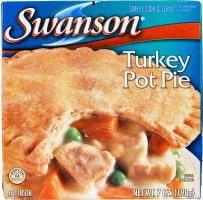
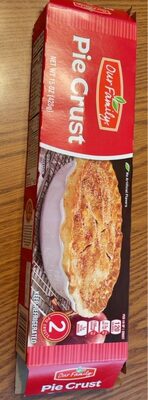
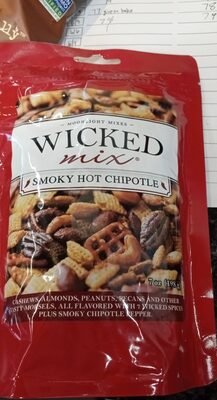
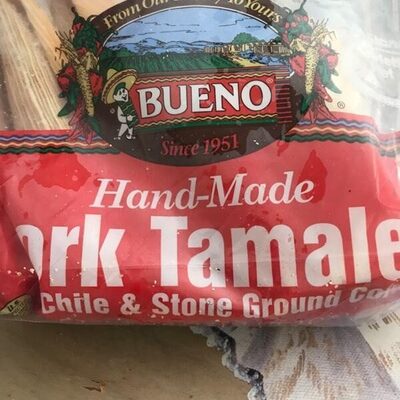
Learn more
Auto-generated content. This description was generated automatically and is pending editorial review. Inaccuracies are possible. Found a mistake? Contact us.