Tri Color Quinoa
What is Tri Color Quinoa?
Tri-color quinoa is a blend of three varieties of quinoa seeds: white, red, and black. Quinoa is a flowering plant in the amaranth family, grown for its edible seeds. The seeds are cooked and consumed as a grain, though botanically they are a pseudocereal.
Is Tri Color Quinoa vegan?
Tri Color Quinoa is not animal-derived. Products that contain it can still include other animal-derived ingredients, so check the full ingredient list.
Is Tri Color Quinoa gluten-free?
It is also naturally gluten-free.
Is Tri Color Quinoa a major allergen?
Quinoa is not one of the nine major allergens recognized by the FDA.
What is Tri Color Quinoa used for?
Tri-color quinoa is often used as a base for grain bowls, salads, and side dishes, offering a visually appealing and nutritious alternative to rice or pasta.
Is Tri Color Quinoa safe?
Quinoa is recognized as a good source of protein, fiber, and various micronutrients.
Why it's used
Tri-color quinoa is often used as a base for grain bowls, salads, and side dishes, offering a visually appealing and nutritious alternative to rice or pasta. Its slightly nutty flavor and varied textures make it a versatile ingredient in both savory and sweet applications.
Health notes
Quinoa is recognized as a good source of protein, fiber, and various micronutrients. It is not an additive requiring FDA approval but is considered a whole food. International bodies like WHO/IARC have not specifically evaluated quinoa for carcinogenicity. Evidence does not suggest adverse health effects from typical consumption.
Allergen info
Quinoa is not one of the nine major allergens recognized by the FDA. It is also naturally gluten-free.
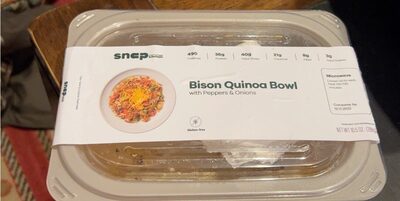
Foods that contain Tri Color Quinoa
Compare products →

Learn more
Auto-generated content. This description was generated automatically and is pending editorial review. Inaccuracies are possible. Found a mistake? Contact us.