Vanilla Glaze
What is Vanilla Glaze?
Vanilla glaze is a sweet, often opaque coating applied to baked goods. It is typically made from powdered sugar, a liquid such as water, milk, or cream, and vanilla flavoring. The ingredients are combined and mixed until smooth to create a pourable or spreadable consistency.
Is Vanilla Glaze a major allergen?
Vanilla glaze itself is not a major allergen, but it often contains milk or milk products, which are major allergens.
What is Vanilla Glaze used for?
Manufacturers add vanilla glaze to provide a sweet flavor, an appealing glossy finish, and an extra layer of texture to various baked products.
Is Vanilla Glaze safe?
Vanilla glaze is a prepared food item, not a single food additive, so its regulatory status depends on its individual components.
Why it's used
Manufacturers add vanilla glaze to provide a sweet flavor, an appealing glossy finish, and an extra layer of texture to various baked products. It is commonly found on cakes, donuts, pastries, cupcakes, and sweet rolls.
Health notes
Vanilla glaze is a prepared food item, not a single food additive, so its regulatory status depends on its individual components. The primary component, sugar, is a source of calories; the 2025-2030 Dietary Guidelines for Americans recommend no specific amount of added sugars and suggest limiting intake to at most 10 grams per meal. Excessive intake of added sugars can contribute to health issues. Vanilla extract, a common flavoring in the glaze, is generally recognized as safe (GRAS) by the FDA.
Allergen info
Vanilla glaze itself is not a major allergen, but it often contains milk or milk products, which are major allergens. Depending on the formulation, it may also contain other major allergens like soy.
Foods that contain Vanilla Glaze
Compare products →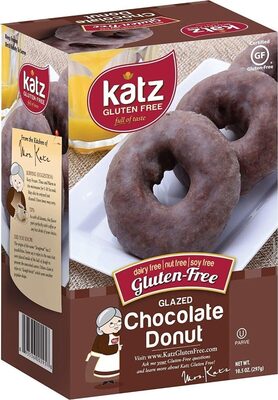
Auto-generated content. This description was generated automatically and is pending editorial review. Inaccuracies are possible. Found a mistake? Contact us.