Vegetable Oil Blend
Auto-generated content. This description was generated automatically and is pending editorial review. Inaccuracies are possible. Found a mistake? Contact us.
What it is
A blend of vegetable oils, such as soybean, canola, sunflower, or corn oil. These oils are extracted from various plant seeds and fruits. They are refined to remove impurities and then blended to achieve specific flavor, texture, and performance characteristics for food production.
Why it's used
Manufacturers use vegetable oil blends as a fat source to improve texture, mouthfeel, and shelf life in baked goods, spreads, and processed foods. They contribute to leavening and browning in baked items and provide a smooth consistency in margarines and spreads.
Health notes
Vegetable oil blends are generally recognized as safe (GRAS) by the FDA for use in food. They are a source of fatty acids, including unsaturated fats. JECFA has evaluated various vegetable oils and established acceptable daily intakes for some. While generally considered healthy in moderation as part of a balanced diet, high intake of certain fats found in some blends could be a concern for cardiovascular health.
Allergen info
Soybean oil is derived from soy, one of the major allergens. Other common vegetable oils like canola and sunflower are not among the nine major allergens. Gluten is not typically present in refined vegetable oils.
Products containing Vegetable Oil Blend
Compare products →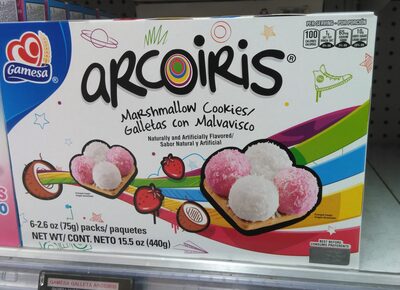 QTG
Gamesa Arcoiris Marshmallow Cookies (6-2.6 Oz) 15.5 Ounce 6 Pack Box
385kcal
3.9Protein
9.6Fat
73.1Carbs
QTG
Gamesa Lonchera Assorted Cookies 14.3 Ounce 5 Pack Box
385kcal
3.9Protein
9.6Fat
73.1Carbs
QTG
Gamesa Chokis Chocolate Chip Large 12/4Pk
High in saturated fat — 25% DV per serving
481kcal
7.4Protein
25.9Fat
63.0Carbs
QTG
Gamesa Ricanelas Cinnamon Cookies 17.2 Ounce Box
438kcal
6.2Protein
14.1Fat
71.9Carbs
QTG
Gamesa Arcoiris Marshmallow Cookies (6-2.6 Oz) 15.5 Ounce 6 Pack Box
385kcal
3.9Protein
9.6Fat
73.1Carbs
QTG
Gamesa Lonchera Assorted Cookies 14.3 Ounce 5 Pack Box
385kcal
3.9Protein
9.6Fat
73.1Carbs
QTG
Gamesa Chokis Chocolate Chip Large 12/4Pk
High in saturated fat — 25% DV per serving
481kcal
7.4Protein
25.9Fat
63.0Carbs
QTG
Gamesa Ricanelas Cinnamon Cookies 17.2 Ounce Box
438kcal
6.2Protein
14.1Fat
71.9Carbs
 QTG
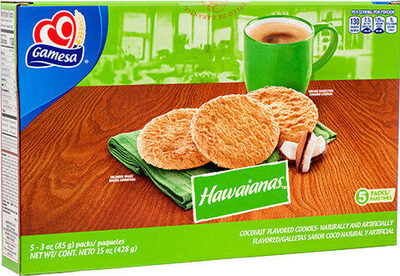
Gamesa Hawaianas Coconut Flavored Cookies (5-3 Oz) 15 Ounce 5 Pack Box
414kcal
6.9Protein
15.5Fat
72.4Carbs
QTG
Gamesa Hawaianas Coconut Flavored Cookies (5-3 Oz) 15 Ounce 5 Pack Box
414kcal
6.9Protein
15.5Fat
72.4Carbs
 QTG
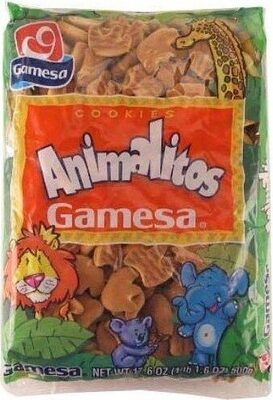
Gamesa Animalitos Cookies Regular 16 Ounce Bag
367kcal
6.7Protein
3.3Fat
80Carbs
QTG
Gamesa Animalitos Cookies Regular 16 Ounce Bag
367kcal
6.7Protein
3.3Fat
80Carbs
 QTG
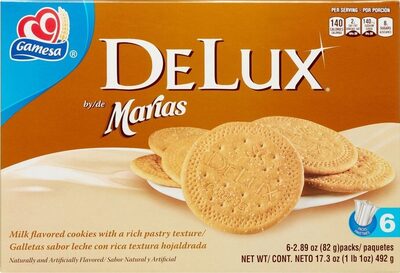
Gamesa Delux By Marias Vanilla Cookies (6 - 2.89 Ounce) 17.3 Ounce 6 Pack Plastic Bags
452kcal
6.5Protein
12.9Fat
74.2Carbs
QTG
Gamesa Delux By Marias Vanilla Cookies (6 - 2.89 Ounce) 17.3 Ounce 6 Pack Plastic Bags
452kcal
6.5Protein
12.9Fat
74.2Carbs