Vitamin A And Coloring
What is Vitamin A And Coloring?
Vitamin A is a fat-soluble vitamin essential for vision, immune function, and cell growth. It can be naturally found in foods like liver, fish oil, eggs, and dairy products. Synthetic vitamin A is often produced in labs for use in food fortification and supplements.
Is Vitamin A And Coloring a major allergen?
Vitamin A itself is not a major allergen.
What is Vitamin A And Coloring used for?
Vitamin A is added to foods to increase their nutritional value, helping consumers meet their daily requirements.
Is Vitamin A And Coloring safe?
Vitamin A is an essential nutrient, and the U.S. National Academies have established a Tolerable Upper Intake Level (UL) for it.
Why it's used
Vitamin A is added to foods to increase their nutritional value, helping consumers meet their daily requirements. It is also used as a coloring agent, often in the form of beta-carotene, which gives foods a yellow to orange hue. It is commonly found in fortified dairy products, cereals, and some processed foods.
Health notes
Vitamin A is an essential nutrient, and the U.S. National Academies have established a Tolerable Upper Intake Level (UL) for it. The FDA permits its addition to foods for nutritional purposes and as a color additive. JECFA and EFSA have evaluated vitamin A and its derivatives. While crucial for health, excessive intake of preformed vitamin A can lead to toxicity, affecting the liver and bones.
Allergen info
Vitamin A itself is not a major allergen. However, some vitamin A supplements or fortified foods may contain other ingredients derived from major allergens.
Foods that contain Vitamin A And Coloring
Compare products →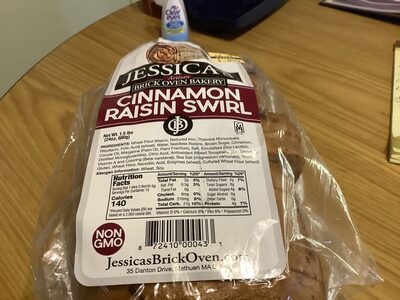


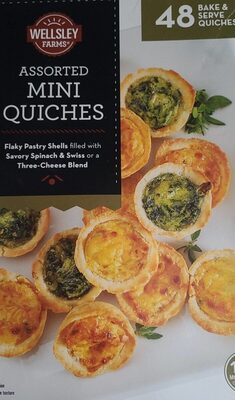
Learn more
Auto-generated content. This description was generated automatically and is pending editorial review. Inaccuracies are possible. Found a mistake? Contact us.