Vitamin A & Beta-carotene
Auto-generated content. This description was generated automatically and is pending editorial review. Inaccuracies are possible. Found a mistake? Contact us.
What it is
Vitamin A is a fat-soluble vitamin essential for vision, immune function, and cell growth. It occurs naturally in foods like liver, fish oils, eggs, and dairy products. Beta-carotene, a type of carotenoid, is a precursor to Vitamin A and is found in colorful fruits and vegetables such as carrots, sweet potatoes, and spinach. Synthetic Vitamin A and beta-carotene are often produced through chemical processes.
Why it's used
Vitamin A and beta-carotene are added to foods as a nutrient fortification to help consumers meet their daily requirements. They are commonly found in fortified dairy products like milk and cheese, cereals, infant formulas, and some margarines and spreads. Beta-carotene is also used as a natural yellow-to-orange colorant.
Health notes
In the U.S., Vitamin A and beta-carotene are generally recognized as safe (GRAS) by the FDA when used as nutrients or color additives. The National Academies have established upper intake levels for Vitamin A. Both the Joint FAO/WHO Expert Committee on Food Additives (JECFA) and the European Food Safety Authority (EFSA) have evaluated these compounds. While essential in small amounts, very high intakes of preformed Vitamin A can be toxic, leading to health issues. Beta-carotene is generally considered safe, though high intake in smokers has been linked to increased lung cancer risk in some studies.
Allergen info
Vitamin A and beta-carotene are not derived from any of the 9 major FDA allergens. They do not contain gluten.
Products containing Vitamin A & Beta-carotene
Compare products →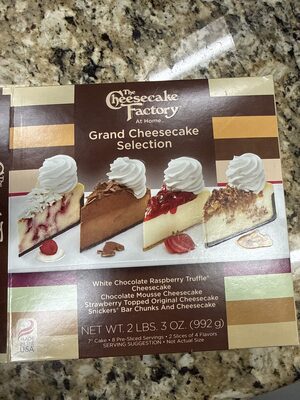 The Cheesecake Factory Bakery, Inc.
Grand Cheesecake Selection, White Chocolate Raspberry, Snickers Bar Chunks, Chocolate Mousse, Strawberry Topped Original
High in saturated fat — 90% DV per serving
High in cholesterol — 40% DV per serving
363kcal
4.8Protein
24.2Fat
33.1Carbs
The Cheesecake Factory Bakery, Inc.
Grand Cheesecake Selection, White Chocolate Raspberry, Snickers Bar Chunks, Chocolate Mousse, Strawberry Topped Original
High in saturated fat — 90% DV per serving
High in cholesterol — 40% DV per serving
363kcal
4.8Protein
24.2Fat
33.1Carbs