Vitamin A Palmate
What is Vitamin A Palmate?
Vitamin A palmitate is a form of vitamin A, an essential nutrient for vision, immune function, and cell growth. It is created by combining vitamin A (retinol) with palmitic acid, which can be derived from animal or plant sources. This combination makes vitamin A more stable and easier to incorporate into foods.
Is Vitamin A Palmate gluten-free?
It does not contain gluten.
Is Vitamin A Palmate a major allergen?
Vitamin A palmitate itself is not a major allergen.
What is Vitamin A Palmate used for?
Manufacturers add vitamin A palmitate to foods as a nutrient supplement to fortify them and help consumers meet their daily vitamin A needs.
Is Vitamin A Palmate safe?
In the U.S., vitamin A palmitate is generally recognized as safe (GRAS) by the FDA when used as a nutrient supplement.
Why it's used
Manufacturers add vitamin A palmitate to foods as a nutrient supplement to fortify them and help consumers meet their daily vitamin A needs. It is commonly found in fortified dairy products like milk and butter, cereals, infant formulas, and baked goods.
Health notes
In the U.S., vitamin A palmitate is generally recognized as safe (GRAS) by the FDA when used as a nutrient supplement. It is an essential nutrient, and adequate intake is important for health. The Joint FAO/WHO Expert Committee on Food Additives (JECFA) and the European Food Safety Authority (EFSA) have evaluated vitamin A and its derivatives. While high doses of vitamin A can be toxic, the amounts typically added to fortified foods are well within safe levels and contribute to preventing deficiency.
Allergen info
Vitamin A palmitate itself is not a major allergen. Palmitic acid can be derived from palm oil (not a major allergen) or animal fats. It does not contain gluten.
Foods that contain Vitamin A Palmate
Compare products →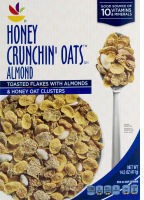

Learn more
Auto-generated content. This description was generated automatically and is pending editorial review. Inaccuracies are possible. Found a mistake? Contact us.