Vitamins + Minerals Calcium
Auto-generated content. This description was generated automatically and is pending editorial review. Inaccuracies are possible. Found a mistake? Contact us.
What it is
Calcium is a mineral that is essential for building and maintaining strong bones and teeth. It is also important for muscle function, nerve signaling, and blood clotting. In food, calcium can be naturally present in dairy products, leafy greens, and fish, or it can be added as a nutrient supplement.
Why it's used
Calcium is added to foods to increase their nutritional value, particularly as a source of this essential mineral. It is commonly found in fortified dairy products like milk and yogurt, as well as in plant-based milk alternatives, orange juice, and cereals. It can also be used as a firming agent in some processed fruits and vegetables.
Health notes
Calcium is recognized as safe and effective by the FDA when used as a nutrient supplement. The National Academies of Sciences, Engineering, and Medicine have established upper intake levels for calcium. International bodies like JECFA and EFSA have also evaluated calcium. Adequate calcium intake is crucial for bone health, and insufficient intake over time can contribute to osteoporosis. However, very high calcium intake, especially from supplements, may be associated with certain health risks, though research is ongoing.
Allergen info
Calcium itself is not a major allergen. However, if it is added to a food product, the source of the calcium or the food product itself may contain major allergens.
Products containing Vitamins + Minerals Calcium
Compare products →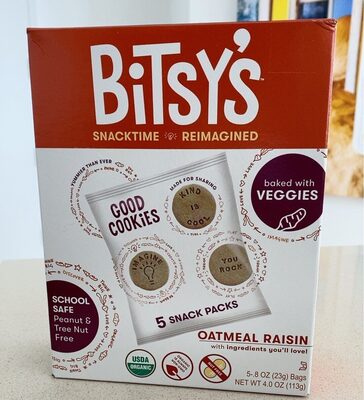 BITSY'S
Good Cookies, Sweet Potato, Oatmeal, Raisin
391kcal
8.7Protein
15.2Fat
65.2Carbs
BITSY'S
Smart Crackers, Garden Ranch
357kcal
7.1Protein
8.9Fat
67.9Carbs
BITSY'S
Good Cookies, Sweet Potato, Oatmeal, Raisin
391kcal
8.7Protein
15.2Fat
65.2Carbs
BITSY'S
Smart Crackers, Garden Ranch
357kcal
7.1Protein
8.9Fat
67.9Carbs
 BITSY'S
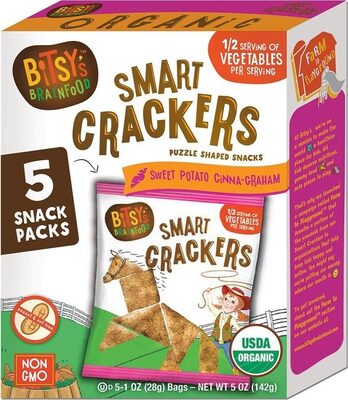
Smart Crackers
393kcal
7.1Protein
7.1Fat
71.4Carbs
BITSY'S
Smart Crackers
393kcal
7.1Protein
8.9Fat
67.9Carbs
BITSY'S
Smart Crackers
393kcal
7.1Protein
7.1Fat
71.4Carbs
BITSY'S
Smart Crackers
393kcal
7.1Protein
8.9Fat
67.9Carbs
 EDUFOODS, LLC
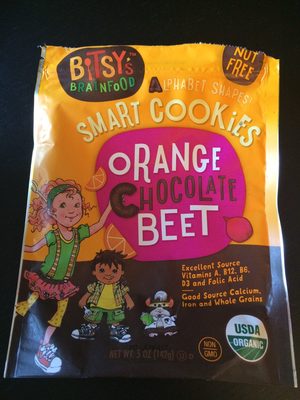
Bitsy's Brainfood, Organic Smart Cookies, Orange Chocolate Beet, Orange Chocolate Beet
429kcal
7.1Protein
16.1Fat
64.3Carbs
EDUFOODS, LLC
Smart Crackers, Cheddar Chia Veggie
393kcal
10.7Protein
10.7Fat
64.3Carbs
EDUFOODS, LLC
Gingerbread, Zucchini, Carrot Good Cookies, Gingerbread, Zucchini, Carrot
391kcal
8.7Protein
13.0Fat
65.2Carbs
Wal-Mart Stores, Inc.
Toasted Multi-Grain Spins Lightly Sweetened Multi-Grain Cereal, Toasted Multi-Grain Spins
379kcal
6.9Protein
5.2Fat
82.8Carbs
EDUFOODS, LLC
Organic Smart Cookies
393kcal
7.1Protein
14.3Fat
60.7Carbs
EDUFOODS, LLC
Zucchini Gingerbread Carrot Smart Cookies
393kcal
7.1Protein
12.5Fat
64.3Carbs
EDUFOODS, LLC
Smart Crackers
393kcal
7.1Protein
8.9Fat
75Carbs
EDUFOODS, LLC
Bitsy's Brainfood, Organic Smart Cookies, Orange Chocolate Beet, Orange Chocolate Beet
429kcal
7.1Protein
16.1Fat
64.3Carbs
EDUFOODS, LLC
Smart Crackers, Cheddar Chia Veggie
393kcal
10.7Protein
10.7Fat
64.3Carbs
EDUFOODS, LLC
Gingerbread, Zucchini, Carrot Good Cookies, Gingerbread, Zucchini, Carrot
391kcal
8.7Protein
13.0Fat
65.2Carbs
Wal-Mart Stores, Inc.
Toasted Multi-Grain Spins Lightly Sweetened Multi-Grain Cereal, Toasted Multi-Grain Spins
379kcal
6.9Protein
5.2Fat
82.8Carbs
EDUFOODS, LLC
Organic Smart Cookies
393kcal
7.1Protein
14.3Fat
60.7Carbs
EDUFOODS, LLC
Zucchini Gingerbread Carrot Smart Cookies
393kcal
7.1Protein
12.5Fat
64.3Carbs
EDUFOODS, LLC
Smart Crackers
393kcal
7.1Protein
8.9Fat
75Carbs