Wheat Flour And Enzymes
Auto-generated content. This description was generated automatically and is pending editorial review. Inaccuracies are possible. Found a mistake? Contact us.
What it is
Wheat flour is the main ingredient in bread, cakes, and cookies. It is made by grinding wheat grains into a fine powder. Enzymes are proteins that help speed up chemical reactions, and in baking, they can help improve dough consistency and the final product's texture.
Why it's used
Enzymes are added to wheat flour to improve the baking process and the quality of baked goods. They can help make dough more workable, improve crust color, and increase the volume of bread and cakes. This combination is often found in breads, rolls, and other baked items.
Health notes
Wheat flour is a staple food and a source of carbohydrates and some nutrients. Enzymes used in baking are generally considered safe and are often naturally present in flour. The FDA considers many enzymes used in food processing to be Generally Recognized As Safe (GRAS). International bodies like JECFA have evaluated enzymes used as food additives. Typical consumption of wheat flour and baking enzymes is not associated with adverse health effects.
Allergen info
Wheat is one of the 9 major allergens recognized by the FDA. Therefore, wheat flour is an allergen. Gluten, a protein found in wheat, can cause issues for individuals with celiac disease or gluten sensitivity.
Products containing Wheat Flour And Enzymes
Compare products →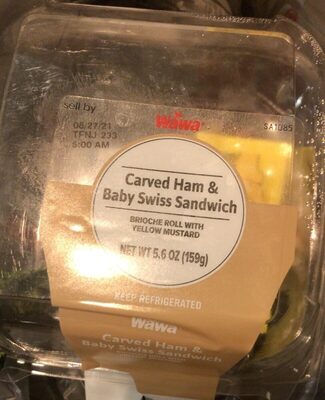 Wawa Incorporated
Brioche Roll With Honey Mustard Carved Ham & Baby Swiss Sandwich, Brioche Roll With Honey Mustard
High in sodium — 66% DV per serving
High in saturated fat — 35% DV per serving
High in cholesterol — 20% DV per serving
220kcal
12.7Protein
8.1Fat
24.9Carbs
Wawa Incorporated
Brioche Roll With Honey Mustard Carved Ham & Baby Swiss Sandwich, Brioche Roll With Honey Mustard
High in sodium — 66% DV per serving
High in saturated fat — 35% DV per serving
High in cholesterol — 20% DV per serving
220kcal
12.7Protein
8.1Fat
24.9Carbs