Whey Corn Starch
What is Whey Corn Starch?
Whey is the liquid byproduct of cheesemaking. Corn starch is a powder made from the endosperm of corn kernels. These ingredients are often combined to create a dry, powdered mix used in food production.
Is Whey Corn Starch vegan?
No. Whey Corn Starch is animal-derived, so it is not vegan.
Is Whey Corn Starch gluten-free?
Corn starch is not a major allergen and does not contain gluten.
Is Whey Corn Starch a major allergen?
Whey is derived from milk, which is one of the 9 FDA major allergens.
What is Whey Corn Starch used for?
This combination serves as a binder and texturizer in processed foods.
Is Whey Corn Starch safe?
Whey is a common food ingredient and is generally recognized as safe by the FDA.
Why it's used
This combination serves as a binder and texturizer in processed foods. It can help improve the mouthfeel and stability of products like snacks and baked goods.
Health notes
Whey is a common food ingredient and is generally recognized as safe by the FDA. Corn starch is also widely used and considered safe. Neither ingredient has specific health concerns associated with typical consumption levels. JECFA and EFSA have evaluated whey and starch components separately, with no specific restrictions noted for their use in food.
Allergen info
Whey is derived from milk, which is one of the 9 FDA major allergens. Corn starch is not a major allergen and does not contain gluten.
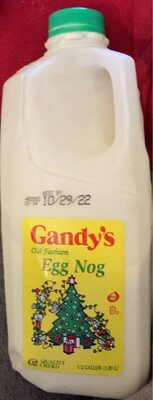
Foods that contain Whey Corn Starch
Compare products →
Learn more
Auto-generated content. This description was generated automatically and is pending editorial review. Inaccuracies are possible. Found a mistake? Contact us.