Whiskey
What is Whiskey?
Whiskey is a distilled alcoholic beverage made from fermented grain mash. Grains commonly used include barley, malted barley, rye, wheat, and corn. It is typically aged in wooden casks, usually made of oak, which contributes to its color and flavor.
Is Whiskey vegan?
Whiskey is not animal-derived. Products that contain it can still include other animal-derived ingredients, so check the full ingredient list.
Is Whiskey gluten-free?
Gluten may be present if made from wheat or barley, but the distillation process typically removes gluten proteins.
Is Whiskey a major allergen?
Whiskey is not derived from any of the 9 FDA major allergens.
What is Whiskey used for?
Whiskey is often used as a flavoring ingredient in foods due to its complex taste profile.
Is Whiskey safe?
Whiskey is regulated as an alcoholic beverage in the United States.
Why it's used
Whiskey is often used as a flavoring ingredient in foods due to its complex taste profile. It can add a distinct, warm, and slightly sweet or smoky flavor. Common applications include sauces, marinades, desserts like ice cream and cakes, and baked goods.
Health notes
Whiskey is regulated as an alcoholic beverage in the United States. The FDA does not specifically approve or list whiskey as a food additive. The World Health Organization (WHO) classifies alcoholic beverages, including whiskey, as Group 1 carcinogens, meaning there is sufficient evidence that they can cause cancer in humans. Consumption of alcohol is associated with various health risks, and moderate intake is generally considered to be up to one drink per day for women and up to two drinks per day for men.
Allergen info
Whiskey is not derived from any of the 9 FDA major allergens. Gluten may be present if made from wheat or barley, but the distillation process typically removes gluten proteins.
Foods that contain Whiskey
Compare products →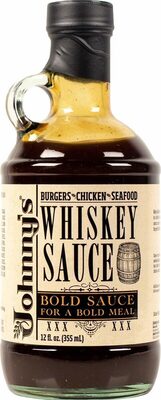
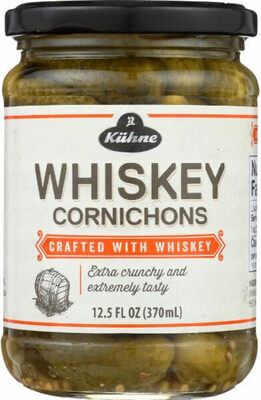
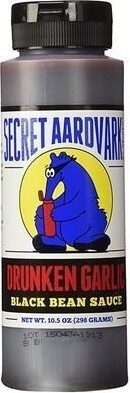
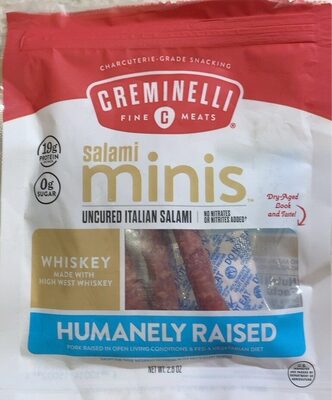
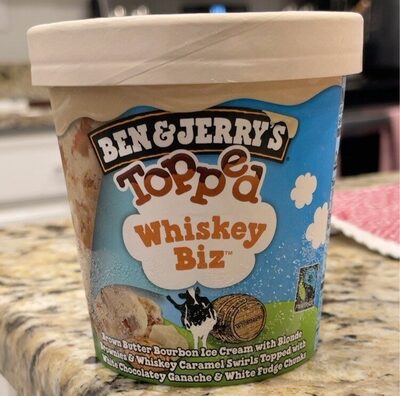
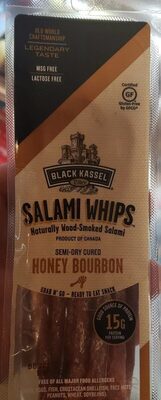
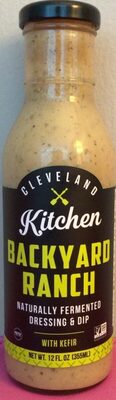
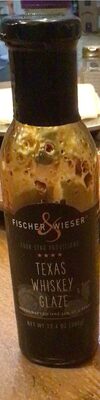
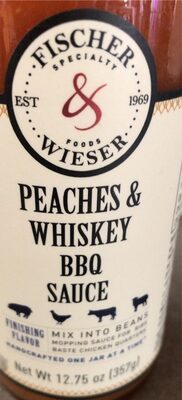
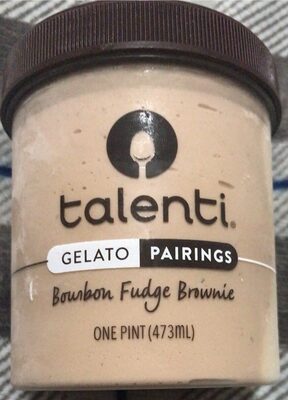
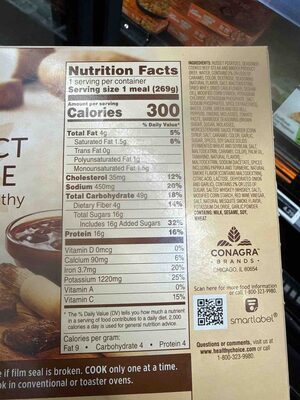
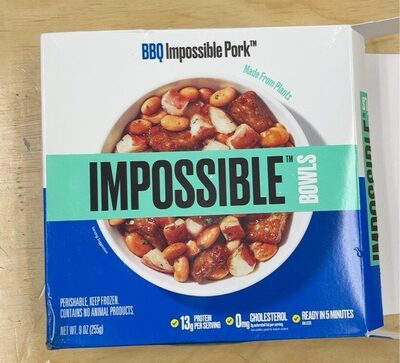
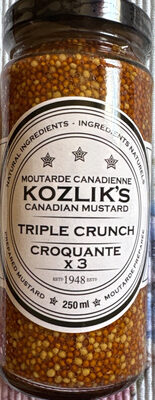
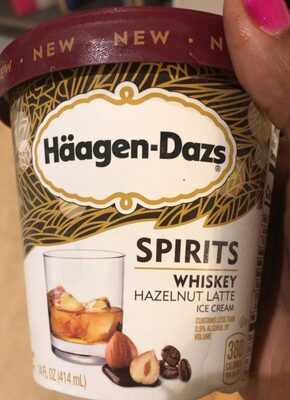
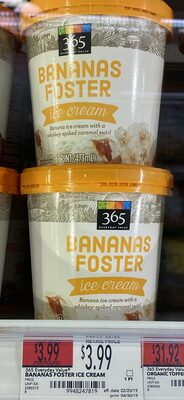
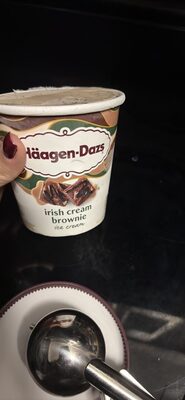
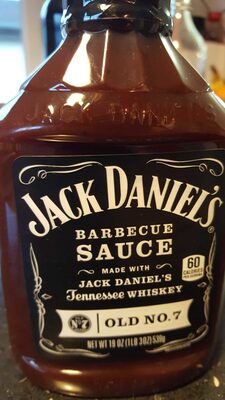

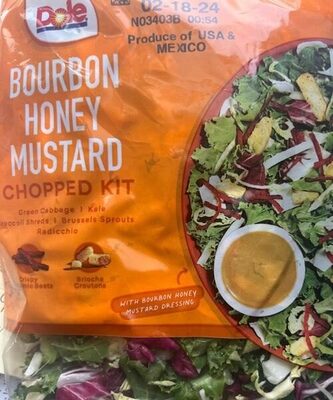
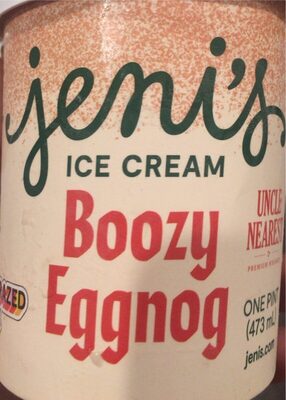
Learn more
Auto-generated content. This description was generated automatically and is pending editorial review. Inaccuracies are possible. Found a mistake? Contact us.